


The Scattered, le peuple de la Semaison
Au portail, personne ne pose de question : la tasse vient d’abord. Perpétue Kettlewell regarde enfin son propre monde, où l’on verse avant de demander, où l’on raconte faux exprès autour des feux, où l’on troque sans prix, et où l’on raccommode à la vue de tous.
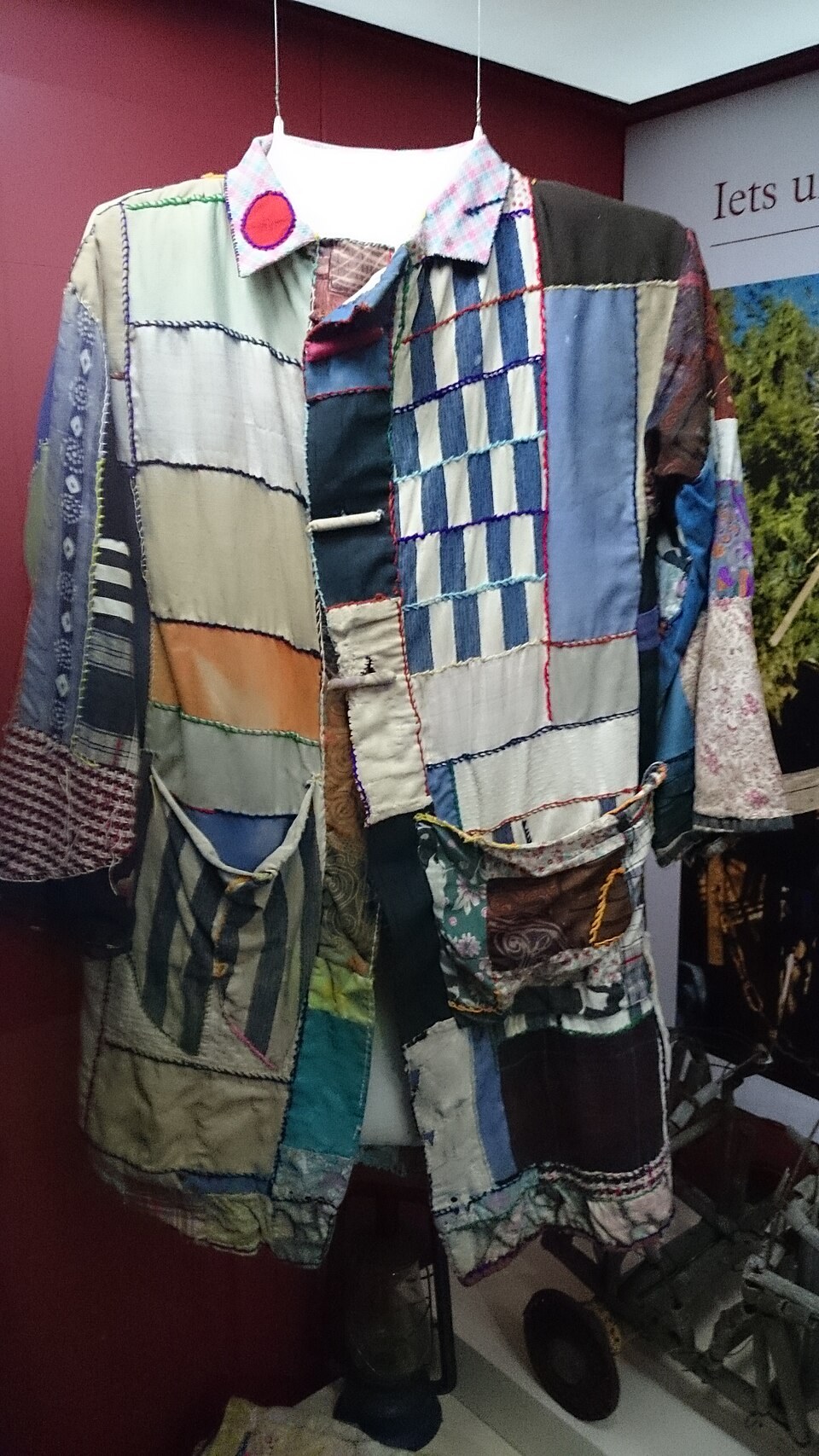
Idée de costume. Des couches venues de plusieurs endroits, une pièce raccommodée bien en vue, une tasse en fer-blanc à la ceinture, et la marque d’une guilde au choix.
L’essai intégral et le guide détaillé sont en anglais. Lire l’essai · Voir les références visuelles

The Reel Peoples · From our own shore
The Scattered
Notes on a People Who Pour First
Perpétue Kettlewell, written at the fires, 2285
Photo: BLM Oregon and Washington, public domain

A stranger comes out of the dune grass at dusk with nothing in her hands. Before anyone asks where she’s from, what she wants, or whether she means us harm, somebody has put a cup into those empty hands, and the whole fire goes quiet and waits while she drinks.
I’ve written sixteen of these journals about peoples who live on the Reel, and I’ve been told, kindly and more than once, that it’s easy to find a people strange when they’re lit from behind on a screen. This one is harder. These are my own people, and I’ve been one of them all my life. The method for it was worked out long before the Unspelling by an old-world anthropologist named Horace Miner, who in 1956 described a tribe with a shrine in every house, a horror of their own bodies, and a priesthood of holy-mouth-men, and let his readers get most of the way through before they noticed the tribe was them. I can’t hide us that well. I’ll look anyway.
The pour
At our gate, nobody asks anything. Visitors from the Red Room find this harder to bear than anything else they see here. Asking a stranger’s business before you’ve poured would be an offence, so the cup comes first. Only when it’s empty does anyone ask who you are, and for about four seconds one name is the right answer: the one you’ll answer to. Nobody writes it down.


A people who feed you before they know whether they’ll like you have either a great deal of tea or a very particular idea of risk. We have very little tea. The old people say that in the age before ours the pot was bottomless, and a law that costs nothing goes quiet without anyone ever voting it down. Ours costs. I think that’s why we keep it.
One name, briefly
We carry more tongues than anyone can count, and we answer to one name at a time. I’ve heard one man answer to Ti-Jean at the fire, to Jack at the market, and to nothing at all at the dig, all in a week, and nobody accused him of anything. A name here is handed over the way a cup is: one at a time, and only after you’ve been fed. Ask one of the Scattered for her real name and she’ll look at you as though you’d asked for her real left hand.
The fires, where lying is required
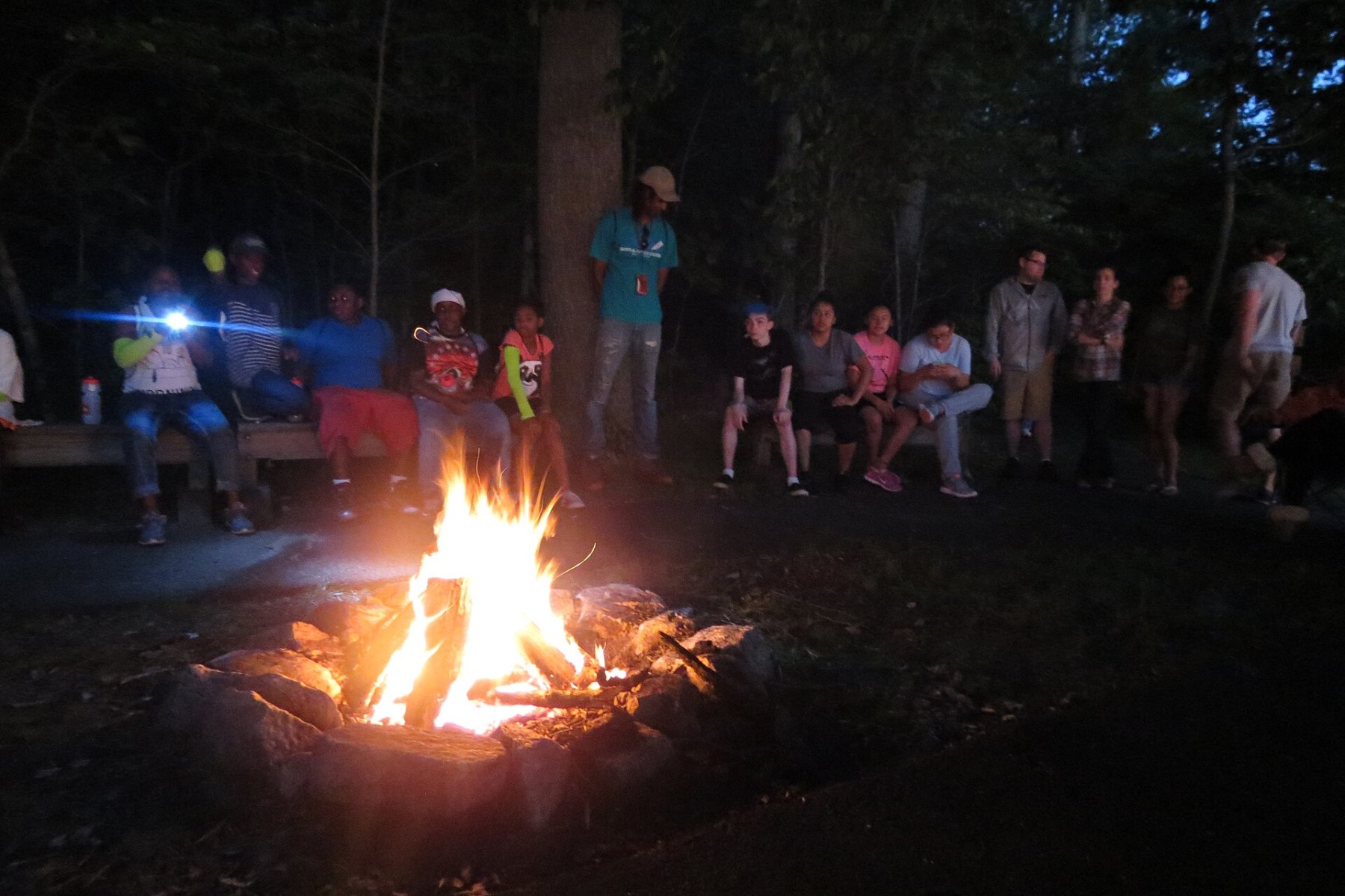
Every telling at our fires is wrong on purpose, and the teller says so. A teller who tells it straight isn’t praised for accuracy; he’s watched, a little anxiously, to see whether something has gone flat in him. Correcting a teller is the worst manners at the fire. Out-telling him is the best.

The tower is being rebuilt this way, in the ruin of the first one. Every telling in a different tongue is a stone laid, and there are a great many tongues, so it goes slowly. It will never be finished and never be one tongue, and nobody I’ve asked considers that a problem.
I’ve recorded eleven tellings of the Pear Tree Man, who is alive, up the shore, and newly seated in the Red Room, and no two agree on what the seat cost him. I’ve heard him made taller, funnier, and sadder. I’ve never heard him made smaller. I asked one teller which version was true. He said, “Ask me tomorrow.” I did, and it was a different story.
The market without prices
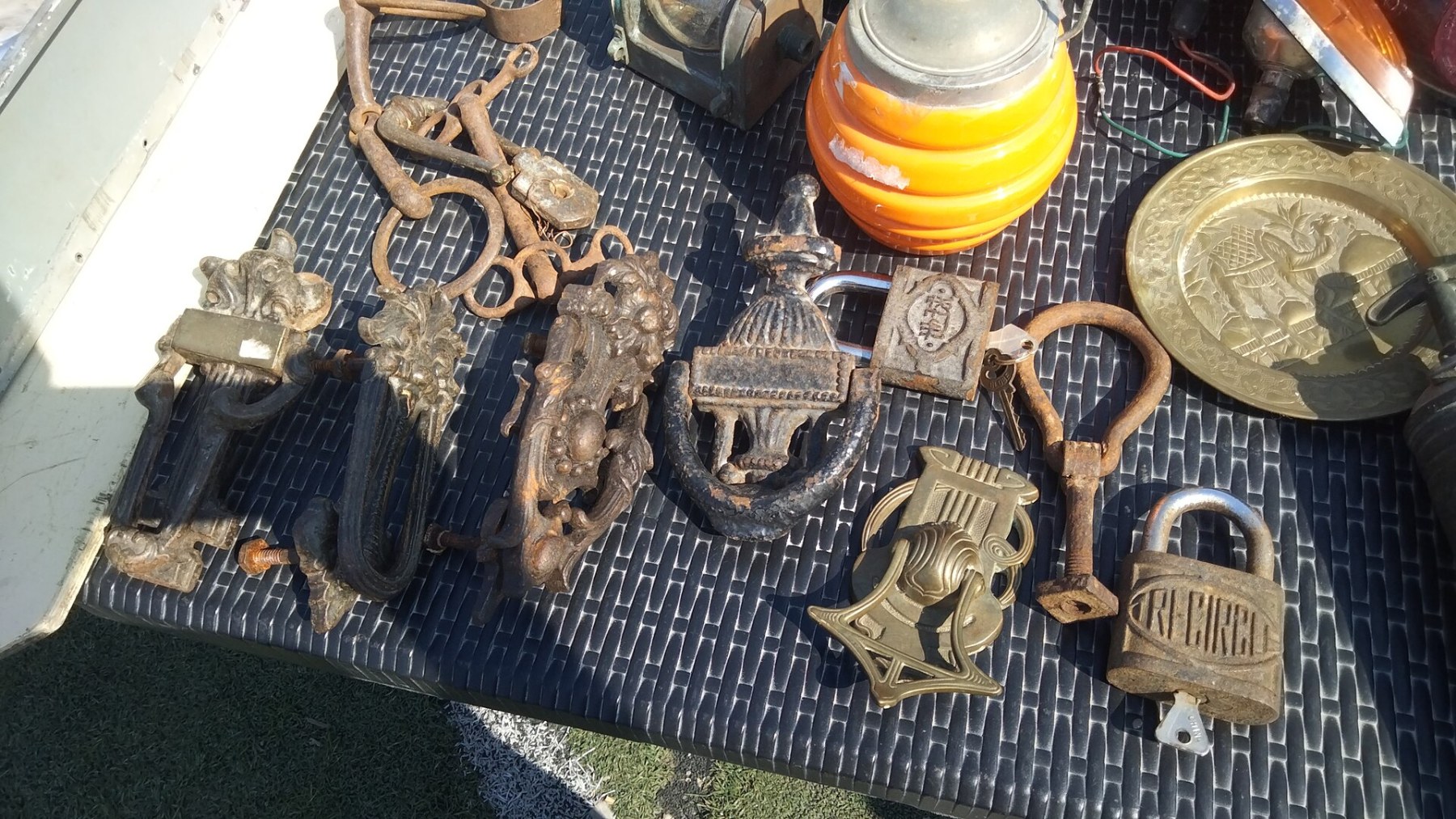
Nothing at our market carries a price, and stating one is rude. A thing is worth what two people agree it’s worth, for as long as they agree. The Coins, who keep the market, hold that nothing is worth what it says on it. I watched a woman trade a carburettor for a song, the song for a verse, and, when the verse failed to please, the verse for the carburettor back, and everyone involved considered the afternoon a success. I’ve stopped writing down what anything costs. My notes were starting to look like a Red Room ledger.

The diggers
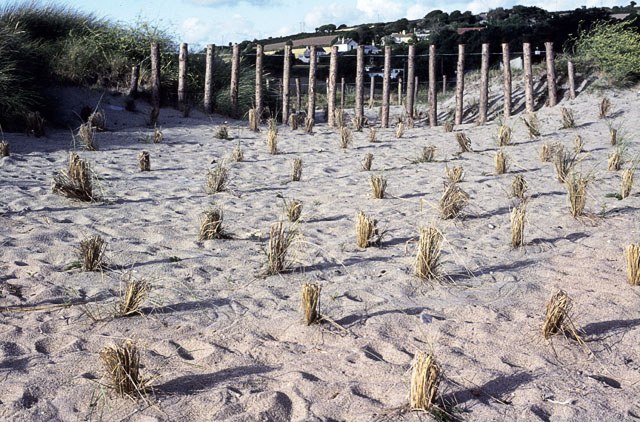
The Swords once carried blades. They kept the blade and let it become a shovel, and they carry it where everyone can see it. They dig foundations, graves, and every hole a green thing goes into. Every October the whole shore plants, and the Swords dig the holes. A visitor once asked me whether it was a funeral or a garden. I said yes, and she wrote it down as though I’d been unhelpful.

Clothes from more than one place
You can tell one of the Scattered at forty paces, because nothing on her came from one place. A coat from one camp, a sleeve from another, a patch from a third, all held together with stitches she wants you to see. A garment of one cloth reads, here, as a garment with only one thing to say, and we’re faintly sorry for it. A mend isn’t a repair you hide. It’s a record of where you’ve been. I own a sweater that is more darn than sweater, and I’m told it tells my history better than I do.

Words, given as alms
The Hollow come to the edge of our fires. They aren’t bitten; they’re emptied. They say only what they say, and they walk toward anyone speaking plainly. We give them round words the way we give a stranger a cup: first, and without asking what it’s for. Say espérer to one of them, to wait and to hope in one breath, and you’ll watch it wake, for about four seconds. Then it forgets. We say the word again the next night. Nobody here counts this as failure. It’s what a cup is for, too.
At the fires we keep a law: the stranger drinks first. For sixteen journals I’ve reported how other peoples break it. It’s a relief, and a little alarming, to report that we keep it.
What I can’t explain
An honest ethnographer lists what she doesn’t understand. Here is mine.
The third cup. At every fire a third cup is set out and nobody drinks from it. I’ve asked forty people what it’s for and got forty-one answers.
The Lobster. It was built for no reason anyone ever wrote down. We don’t argue about it. We stand under it.
The stone. It says 2222, and nobody argues with the stone. We argue near it, about the year the Unspelling began. Ask four people and you’ll get five years.
The fifth guild. Rumoured at every fire. Confirmed at none. I’ve stopped asking.
Participant observation
You’re already one of the Scattered if you came in clothes from more than one place and accepted the cup. Come to the October shore with a round word ready, in any tongue you like, and give it to the first person who looks as though they need one. If you’ve chosen a guild, wear its mark. If you haven’t, the fires will notice which way you lean before you do.
We’ll keep the kettle on.
The Reel Peoples
Sixteen peoples from the old reels and two from our own shore, written up at the fires by Perpétue Kettlewell, with a costume guide for each.
- No. 1The War Boys of the Citadel
- No. 2The Smokers of the Deez
- No. 3The Citizens of the Capitol
- No. 4The Bartertowners
- No. 5The Vuvalini of Many Mothers
- No. 6The Waiting Ones
- No. 7The Holnists
- No. 8The Londoners of the Traction City
- No. 9The Galadhrim
- No. 10The People of Zion
- No. 11The Droogs
- No. 12The Ape Society
- No. 13The Judges of Mega-City One
- No. 14The Morlocks
- No. 15The Aviators of Airhaven
- No. 16The Tail Section