

Les Vuvalini aux nombreuses mères
Furiosa revient avec un autre visage, mais les femmes la reconnaissent en entendant le nom de sa mère. Le sac de semences transmet quelque chose de tout aussi précieux à celles qui prendront la relève.
Idée de costume. Pensez à une personne qui vit sur la route. Des couches qu’on peut ajuster, des bottes et un petit sac de semences accessible avec des gants disent ce que le voyage exige.
L’essai intégral et le guide détaillé sont en anglais. Lire l’essai · Voir les références visuelles
The Reel Peoples · No. 5 of 16
The Vuvalini of Many Mothers
Notes on a People Who Carry Their Country in a Bag
Perpétue Kettlewell, written at the fires, 2285
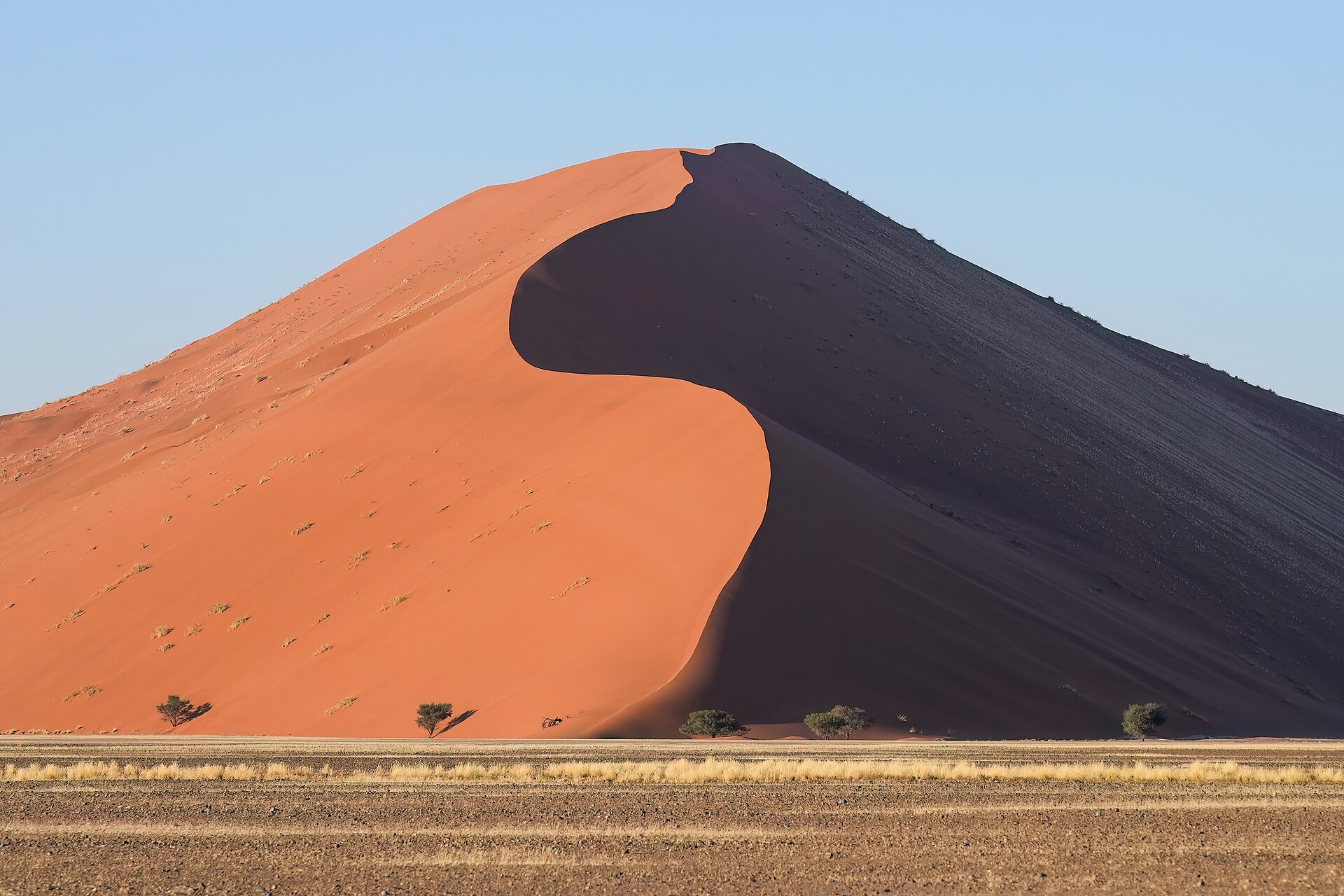
Photo: Giles Laurent, CC BY-SA 4.0

Most peoples define themselves by the land they hold. The Vuvalini define themselves by the land they lost, and they’ve carried it with them, seed by seed, in a leather bag.
We know them from two reels by George Miller: Mad Max: Fury Road (2015), where we meet the last handful of them, and Furiosa: A Mad Max Saga (2024), where we see what they lost. They are women, most of them old, who ride motorcycles across the salt and the sand, shoot with terrible accuracy, and keep a bag of heirloom seeds the way other peoples keep a sacred fire. They call themselves the Vuvalini of Many Mothers. Their homeland was the Green Place. By the time the first reel finds them, the Green Place is a black swamp full of crows, and the Vuvalini are what remains of a country: a lineage, a creed, a handful of motorcycles, and a bag.
The name
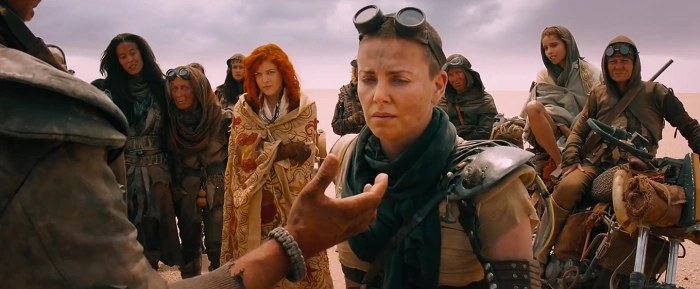
Start with the name, because the Vuvalini do. When Furiosa, stolen from them as a child, comes back two decades later, she doesn’t show them a token or a scar. She recites. She names her clan, “the Vuvalini, of Many Mothers,” and then her mother, Mary Jabassa, and the women on the motorcycles lower their guns. Among the Vuvalini, identity is a sentence you can say aloud, a line of women traced backward. It’s the only document that survives a burning world, because it’s stored in the mouth.
“Many Mothers” is a precise description, not a poetic one. The old world’s anthropologist Sarah Blaffer Hrdy argued, in Mothers and Others (2009), that human beings are cooperative breeders: our children have always been raised not by one mother but by a crowd of them, grandmothers, aunts, sisters, and neighbours, all sharing the work of keeping the young alive. Hrdy called these helpers alloparents. The Vuvalini have made alloparenting their national identity, and Hrdy hands me the right question to bring to the reel: who else remembers this child, and who rides out to bring her home? Furiosa was every woman’s daughter. That’s why every woman remembers her.
The grandmothers
What strikes every observer is their age. In a world that worships young bodies, as fuel or as breeding stock or as fodder for the road, the Vuvalini are mostly grey. The old world’s science has a word for them, too. In 1998, the anthropologist Kristen Hawkes and her colleagues proposed what’s now called the grandmother hypothesis: that women who live long past their childbearing years, gathering food and tending their daughters’ children, are the reason human lives are as long as they are. Grandmothers, in this view, are one of the causes of human survival rather than a by-product of it.
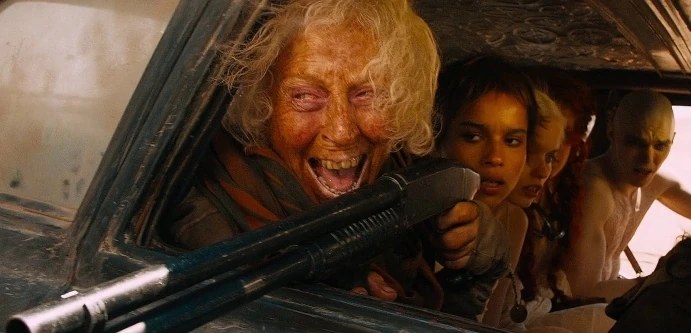
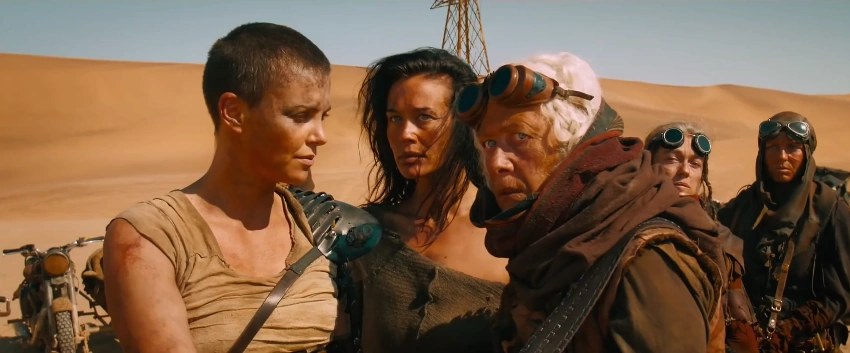
The Vuvalini are the grandmother hypothesis armed. Their old women don’t sit at the edge of the camp; they ride point, they keep watch, and they kill. One of them, the Keeper of the Seeds, tells a frightened young wife who asks if she kills people that she’s killed everyone she ever met out there. “Headshots,” she adds. “All of them.” Then she opens her bag and shows the girl what she’s protecting: the rifle and the seeds, in the same pair of hands.
The road dress
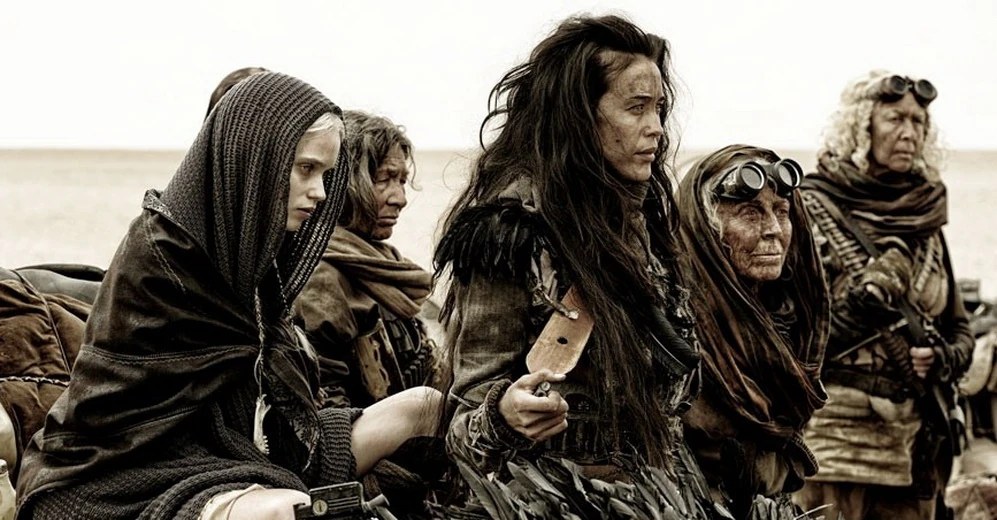
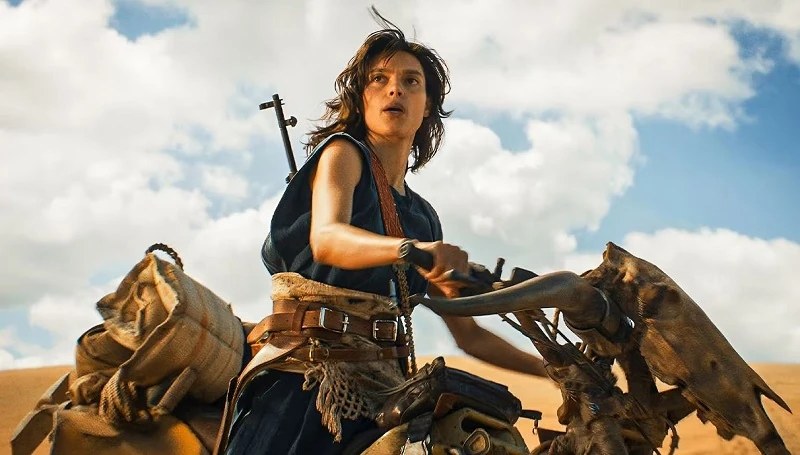
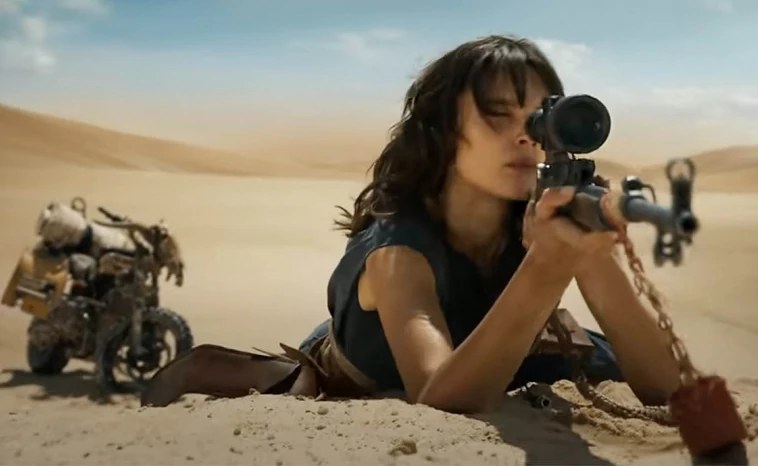
Read the Vuvalini by their clothes and you’ll find a people who have stopped decorating and started enduring. The War Boys paint themselves white for a god; the Citadel’s wives are wrapped in white for a husband. The Vuvalini wear the colours of the road itself: dust, sun-faded leather, cloth gone the colour of sand, wraps wound against wind and grit, goggles pushed up on grey hair. Their costumer, Jenny Beavan, has said their motorcycles became their homes, and you can see it in the way they dress, everything strapped, pocketed, and within reach, like the inside of a caravan. A Vuvalini carries her house on her body and her country in her bag.
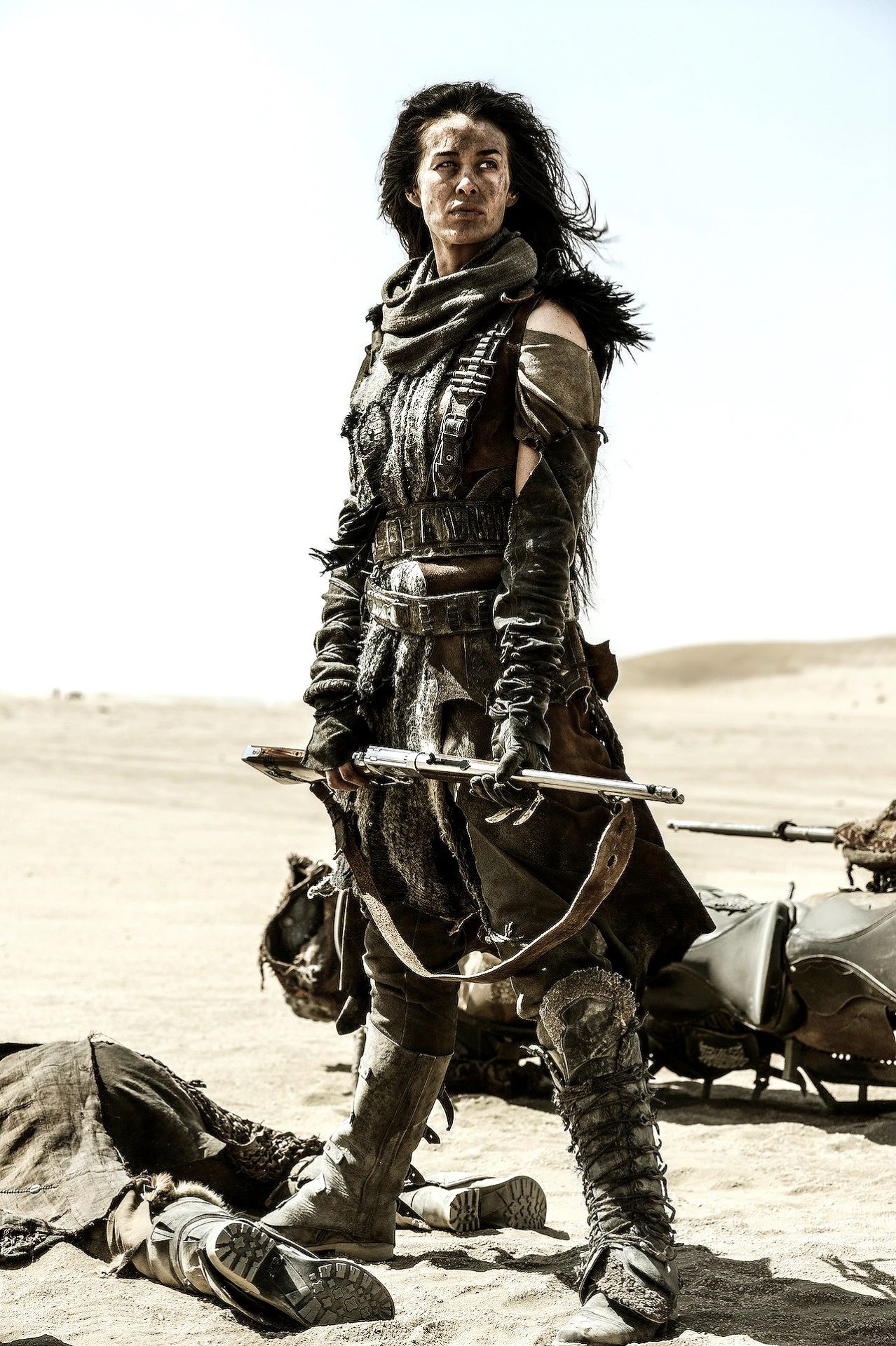
I’d logged the seed bag and the motorcycles on different pages of my notebook. Michelle Stork, writing in Kairos (2023), put them on the same page for me. The Vuvalini ride the same kind of machine as the man they’re riding against, and Stork won’t let the reel’s readers make them into either victims or perfect environmentalists: a people can burn fuel on the road and still be riding toward a fairer world. The clothes agree with her. To carry seeds across a desert, someone has to find fuel, carry tools, and know when to turn back. Look for the Green Place on a Vuvalini and you’ll find it in the knees, the boots, and the things tied down within reach.
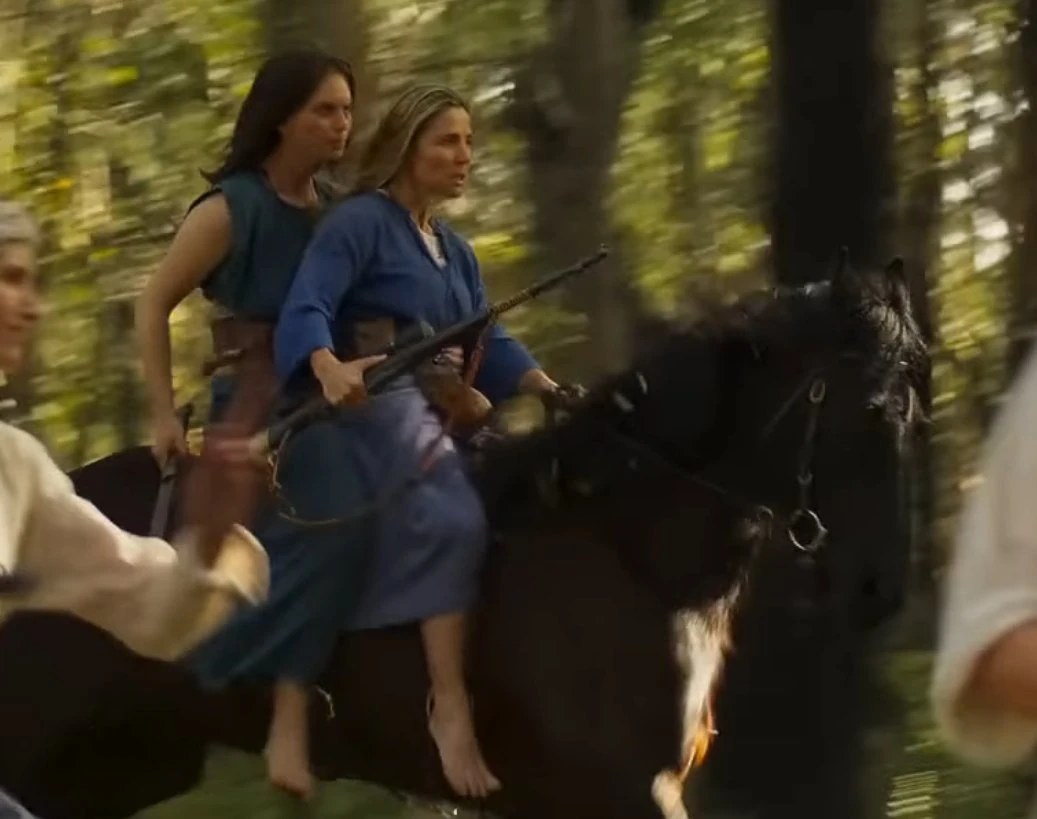
The second reel shows the same people before the fall, and the contrast is instructive. In the Green Place they ride horses as well as machines, wear blues and undyed cloth, and dress lighter, because there was water and shade to spare. Mary Jabassa, Furiosa’s mother, rides out after her stolen daughter in the gear the elders still wear a generation later: wraps, leather, a long rifle, and nothing that can’t be repaired on the road.
The seeds
The bag is the Vuvalini’s ark. Inside are seeds from home, heirlooms, the real thing, carried across the desert in the hope of finding ground that will take them. The Keeper plants them wherever she can. Nothing grows. She keeps carrying them anyway, and when she dies on the road home, she passes the bag on, to one of the young women she rode out to save. A people that can’t plant still knows how to hand on.

Watch what happens when the old women meet the young ones. The Vuvalini have spent their lives outside the Citadel; the five wives have spent theirs locked in its vault. Within a day the band has adopted them. The old women teach the girls to shoot and ride; the girls give the old women a reason to turn back. It’s the Many Mothers at work again, taking in daughters they didn’t bear. And when the Keeper of the Seeds dies, the bag goes to the wife who is carrying a child: seeds to the one who’s already growing something.
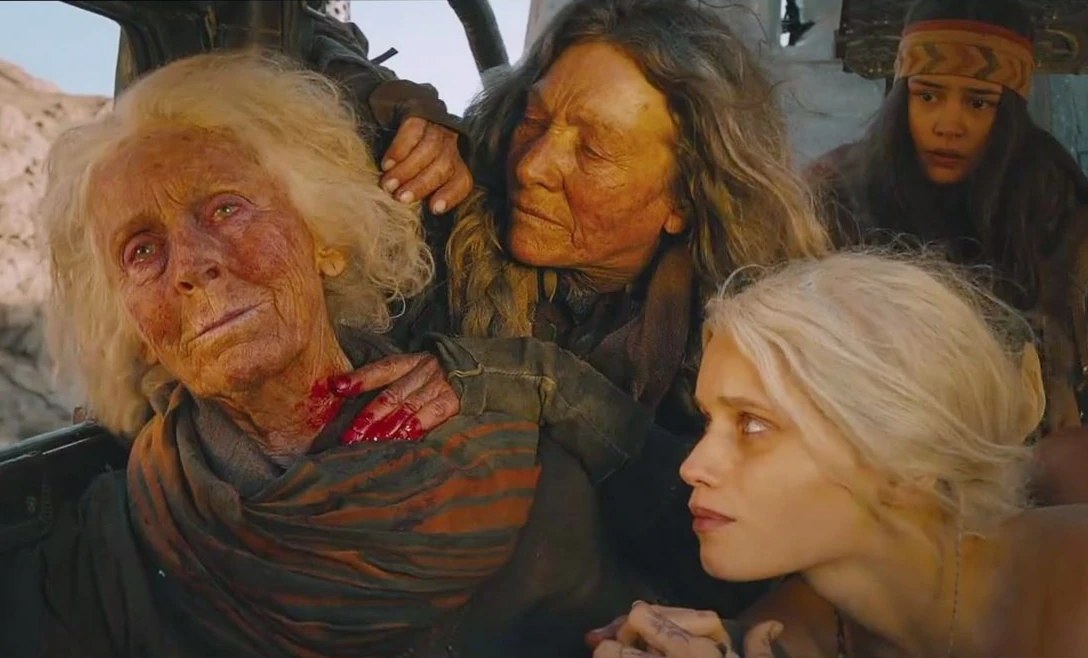
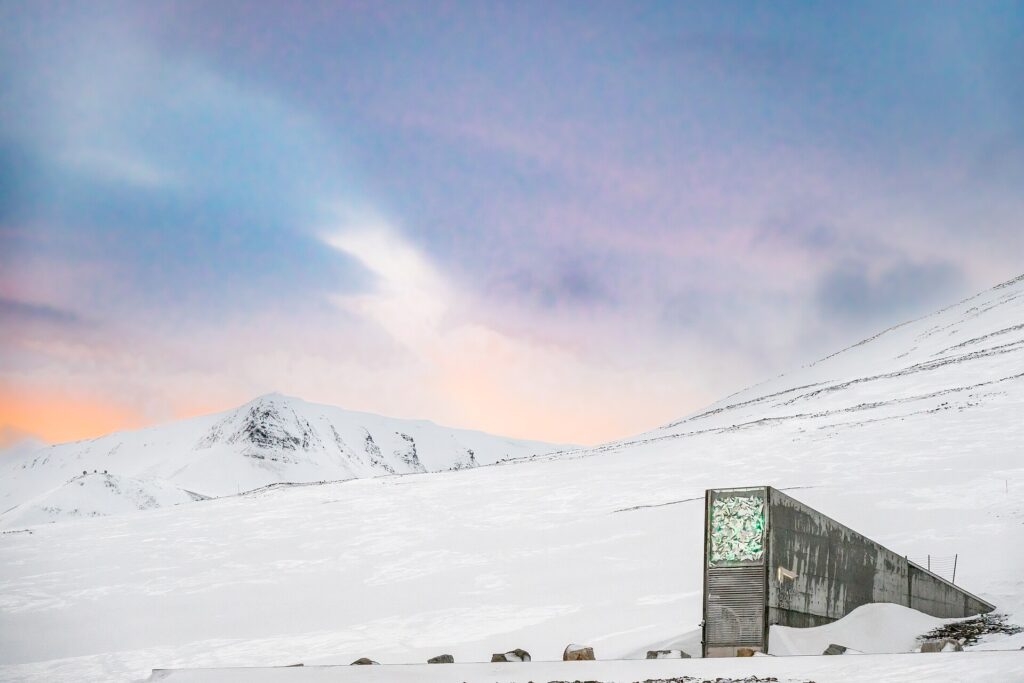
The old world built its own ark, the Svalbard Global Seed Vault, cut into a frozen mountain on a Norwegian island in 2008 to hold the world’s crop seeds against catastrophe. The Vuvalini would have understood it at once, and would have asked only one question: who carries the key? The vault is a building. The Vuvalini bag is a person. One survives an earthquake. The other survives a migration.

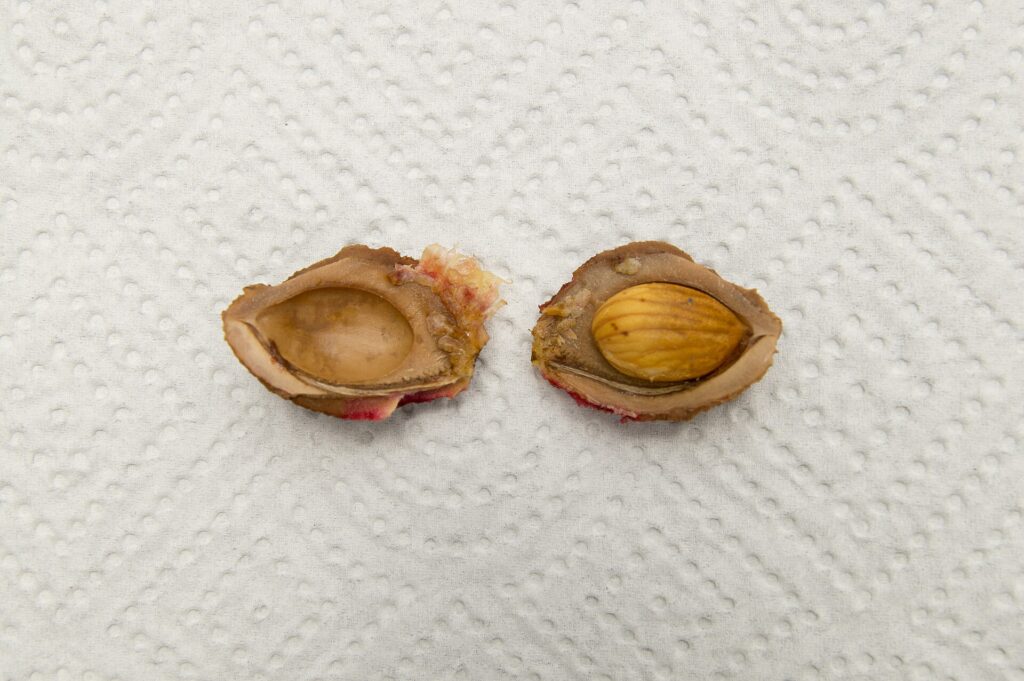
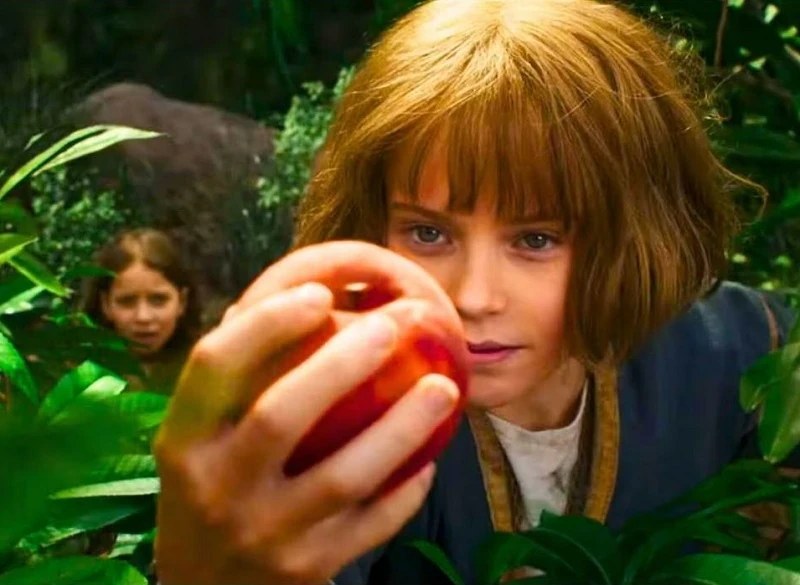
The second reel adds a tree. Young Furiosa is taken from the Green Place while picking fruit, and she keeps a peach stone through all the years of her captivity. By the reel’s last telling, a peach tree grows at the Citadel, fed, so the tale goes, on the body of the man who stole her. Even revenge, among the Vuvalini, ends in planting.
The bait
The Vuvalini have survived because they’re realistic about the world they live in. They find travellers by setting a lure: a young woman stands naked atop a pylon in the open desert and calls for help, and when a stranger stops, the others rise out of the sand with their rifles. It’s a rite that tests the visitor. Who stops for a woman in distress, and what does he do when he gets there?
At the fires we keep a law: the stranger drinks first. The Vuvalini keep it too, but only after they’ve seen what the stranger does with his hands.
The Green Place
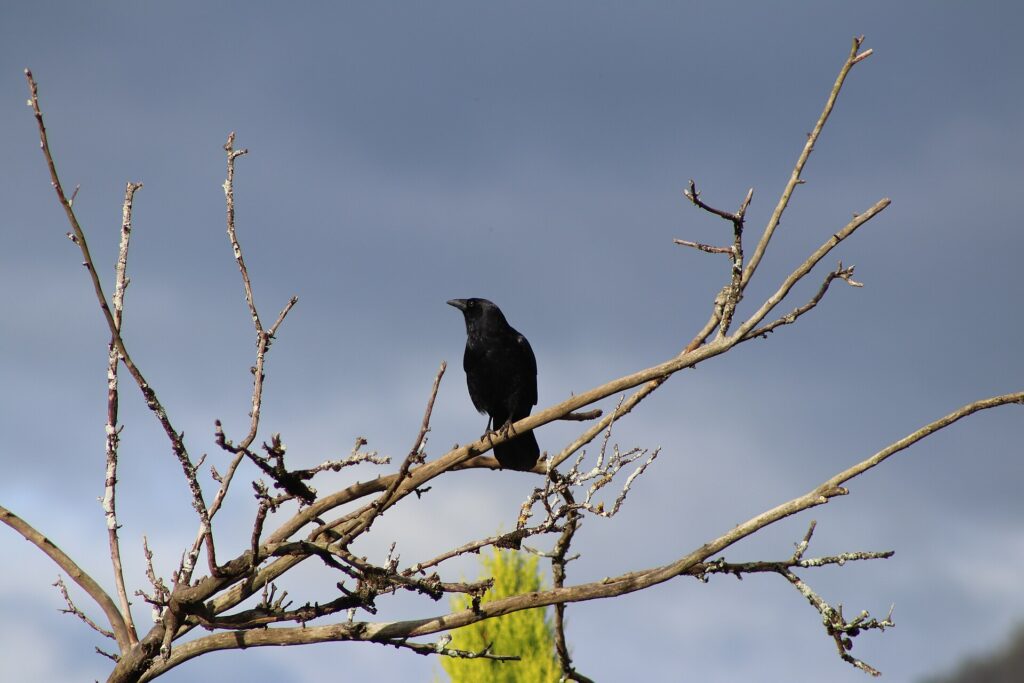
The cruellest moment in either reel comes when Furiosa asks where the Green Place is, and the Vuvalini tell her she’s already passed it. The water turned bad, the soil soured, and the women had to leave. The black swamp the war rig crossed the night before, where figures on stilts move among dead trees and crows, was home.
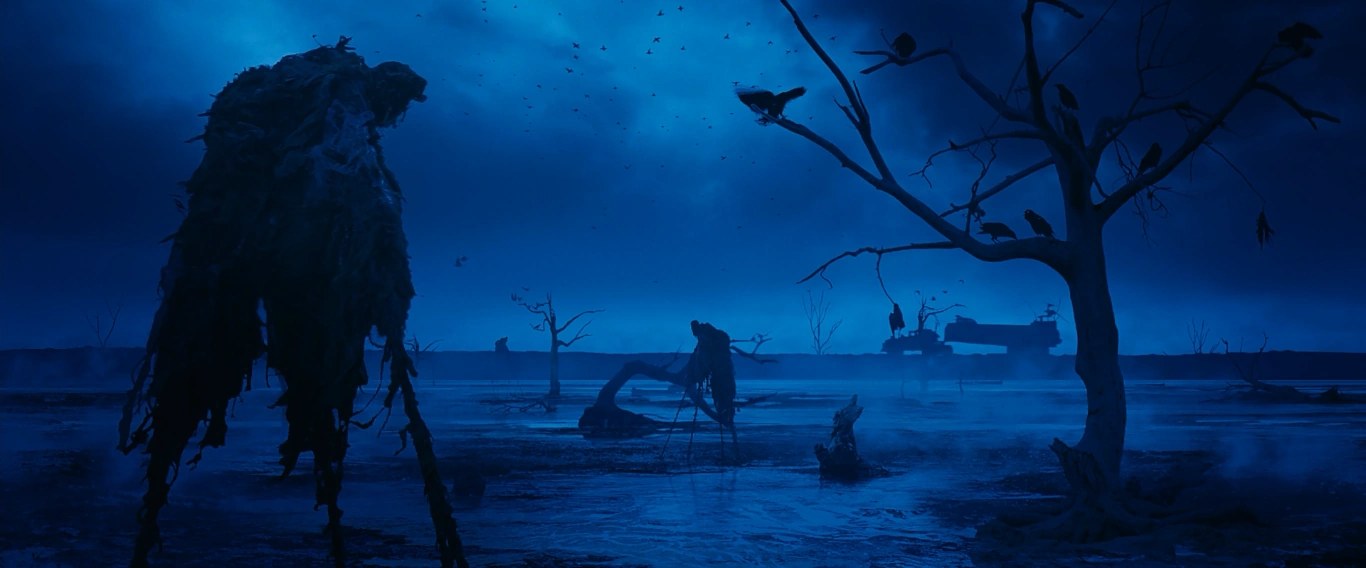

The old world’s scholars have quarrelled over what to make of this. In Furious Feminisms (2020), Alexis Boylan, Anna Mae Duane, Michael Gill, and Barbara Gurr wrote their book as a conversation, and Duane reads the Green Place as an environmentalist, feminist utopia that the reel summons only to destroy. Michelle Yates, writing in Science Fiction Film and Television (2017), argued the opposite. The old story has a man ride out to recover a lost garden that waits for him, passive and feminine. By taking the garden away, the reel breaks that story, and the land and its women get a will of their own. Stork asks a plainer question, about what there is to share, and her answer is that the Citadel already holds enough water. I kept marking the Green Place on my map after the women had told me what had become of it. The old mark was still there when they turned back.
I’d add one observation from the field. The Vuvalini don’t mourn the Green Place for long. Faced with the news that their country is gone, they agree to ride a hundred and sixty days into the salt in search of another, and then, persuaded otherwise, they turn round and ride back to take the Citadel and its water instead. A people that carries its country in a bag can set it down anywhere it can win.
Most of them don’t survive the ride. By the end of the first reel, the band that came out of the sand to meet Furiosa is nearly gone, and the Citadel’s water, hoarded for a generation by one man, is pouring down onto the crowd below. I could follow that water a good deal farther than I could follow any of the seeds. The reel shows a tap opened; whether it stays open is a question for a later season, and I won’t pretend to know the answer. It’s the Vuvalini’s last act of mothering: not a country regained, but water released to strangers.
Participant observation
The Vuvalini are the one people in this series who ask nothing of your youth. Come to the October shore at any age, and come as a grandmother, whether or not you are one. Wear the dust of the road and a single touch of green.
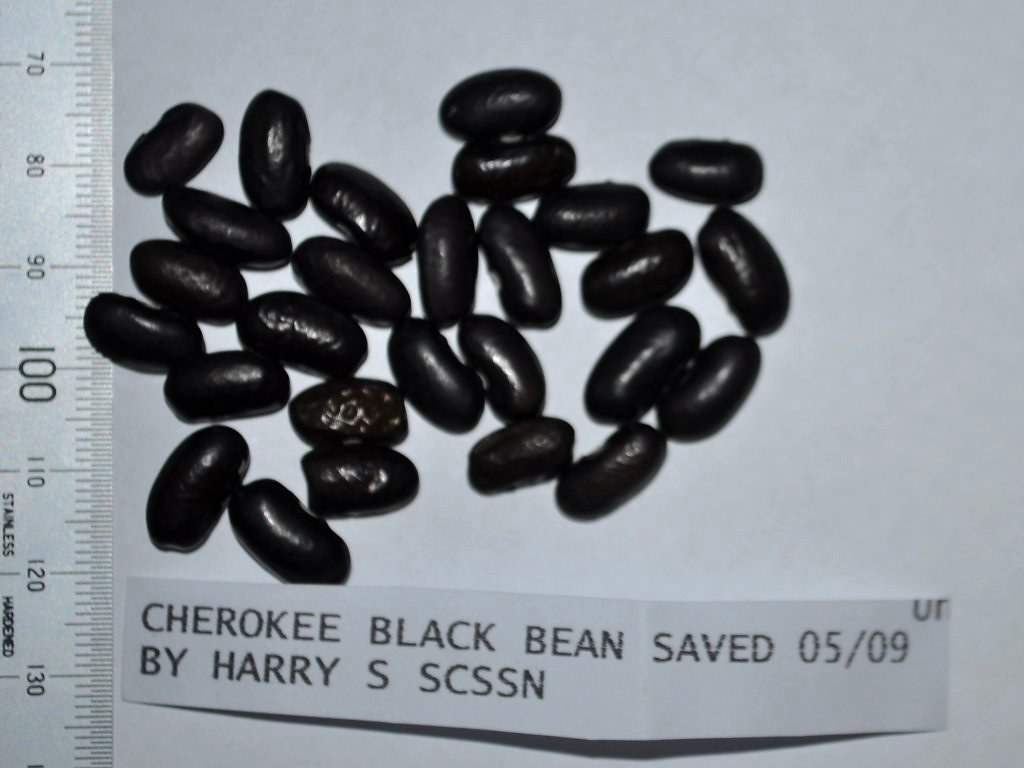
Give the seed pouch its place on the outfit before you choose the scarf: it should open with cold fingers and pass to another hand without ceremony. Fill it with things to give away, a bean, a pumpkin seed, a peach stone, and hand them to the young. Learn your lineage, real or invented, and be ready to recite it at the gate. Ride in a group, count the youngest among you, and be unreasonably good at something dangerous.
We’ll keep the kettle on.
The Reel Peoples
Sixteen peoples from the old reels and two from our own shore, written up at the fires by Perpétue Kettlewell, with a costume guide for each.
- No. 1The War Boys of the Citadel
- No. 2The Smokers of the Deez
- No. 3The Citizens of the Capitol
- No. 4The Bartertowners
- No. 5The Vuvalini of Many Mothers
- No. 6The Waiting Ones
- No. 7The Holnists
- No. 8The Londoners of the Traction City
- No. 9The Galadhrim
- No. 10The People of Zion
- No. 11The Droogs
- No. 12The Ape Society
- No. 13The Judges of Mega-City One
- No. 14The Morlocks
- No. 15The Aviators of Airhaven
- No. 16The Tail Section