


The Flat-Tongues, les Parle-Plates
Près de la Chambre rouge, chaque porte porte un mot, et ce mot, c’est PORTE. Perpétue Kettlewell s’installe chez les Parle-Plates, qui disent ce que les mots disent, rien de plus, et qui versent quand même la tasse en premier.
Idée de costume. Chaque vêtement d’une seule couleur, avec son nom cousu dessus en majuscules : MANTEAU, GANT. Pour aller jusqu’au bout : un Aplati, pâle et immobile, qui se réveille quatre secondes au son d’un mot rond.
L’essai intégral et le guide détaillé sont en anglais. Lire l’essai · Voir les références visuelles
The Reel Peoples · From our own shore
The Flat-Tongues
Notes from the Lee of the Red Room
Perpétue Kettlewell, written in the lee of the Red Room, 2285
Photo: Jules Verne Times Two, CC BY-SA 4.0

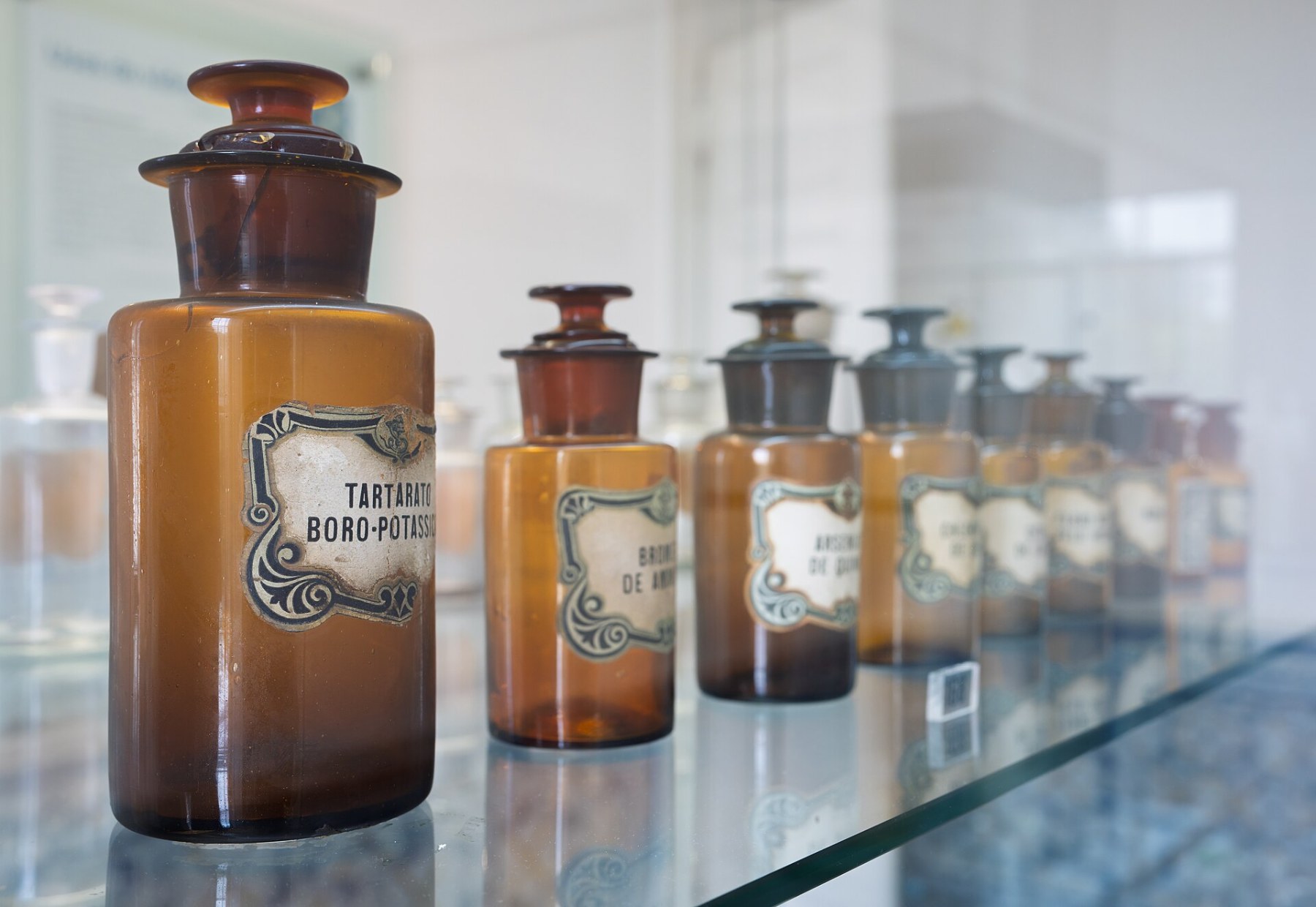
Every door in the lee of the Red Room has a word painted on it, and the word is DOOR.
I’m one of the Scattered, and I came with all my people’s opinions packed and labelled, which, I’ve since learned, is the only way anything enters this neighbourhood. At our fires, the Flat-Tongues (les Parle-Plates, in the shore’s French) are a sad story told quickly: the people who kept the Unspelling’s tongue warm in a room. I meant to write that story down properly. I’ve ended up writing a different one.
The labels
Everything here is labelled. DOOR, CUP, STOOL, and, on a small boy’s coat, COAT. My first reading was the one my people would give: a charm against going Hollow, a household reminding itself what things are before it forgets. I put this to a woman labelling a new pot. She said, “It is a pot.” I asked why it needed a label if it was a pot. She said, “So it stays one.”
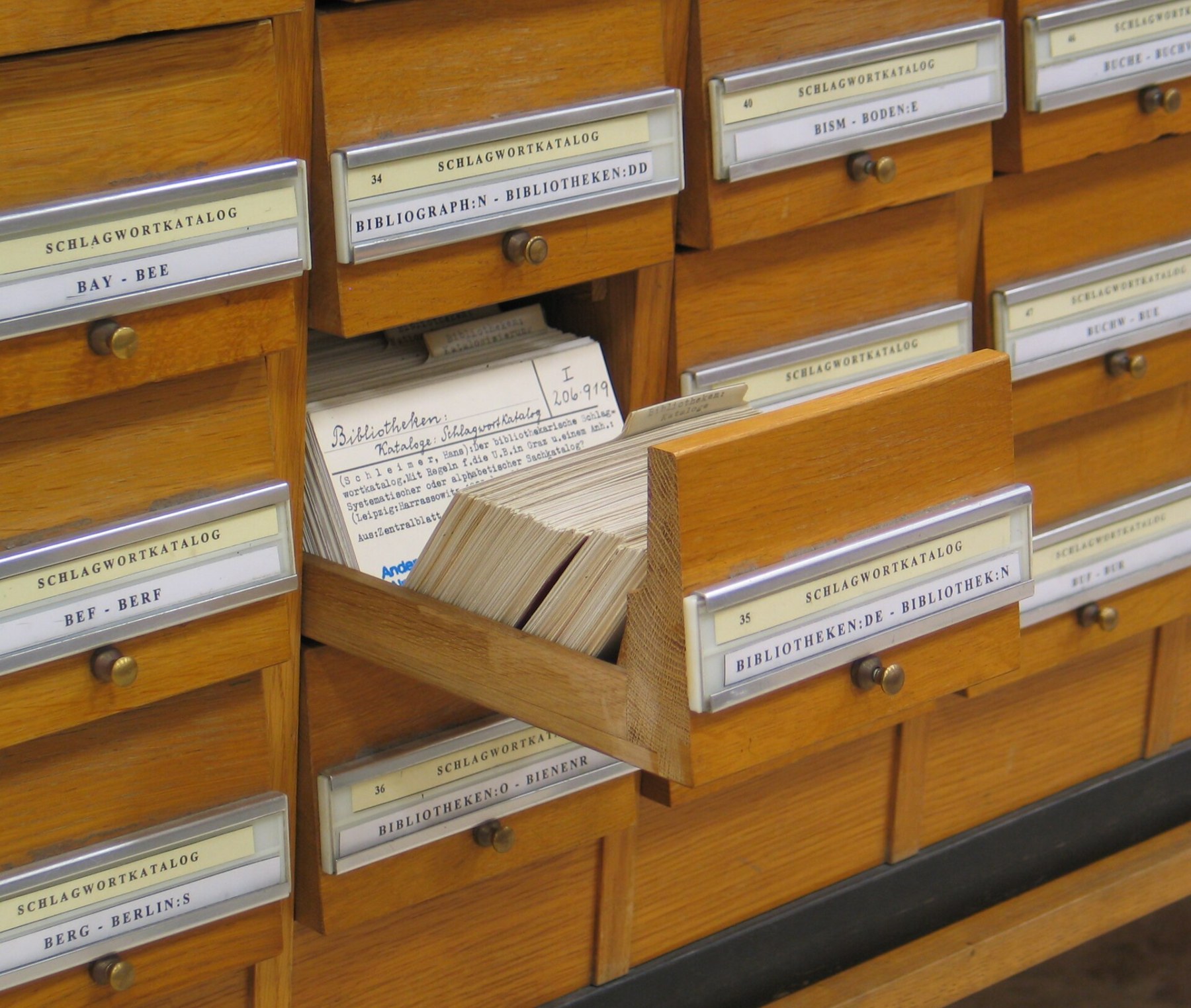

The Scattered mend a thing to show it has been many things. The Flat-Tongues label a thing to keep it from becoming anything else. We both, I noticed, spend a great deal of thread on the question.
Plain speech
The Flat-Tongues don’t use contractions. A contraction is two words wearing one, and they won’t have it in the house. They don’t use idioms, and they answer exactly what was asked. On my first morning I asked a man, “Can you tell me where the Red Room is?” He said, “Yes.” By the second morning I’d learned to ask, “Where is the Red Room?” He pointed and said, “There.”
A joke here is received as a second meaning, and they don’t keep second meanings indoors. It’s set down gently outside, like wet boots.
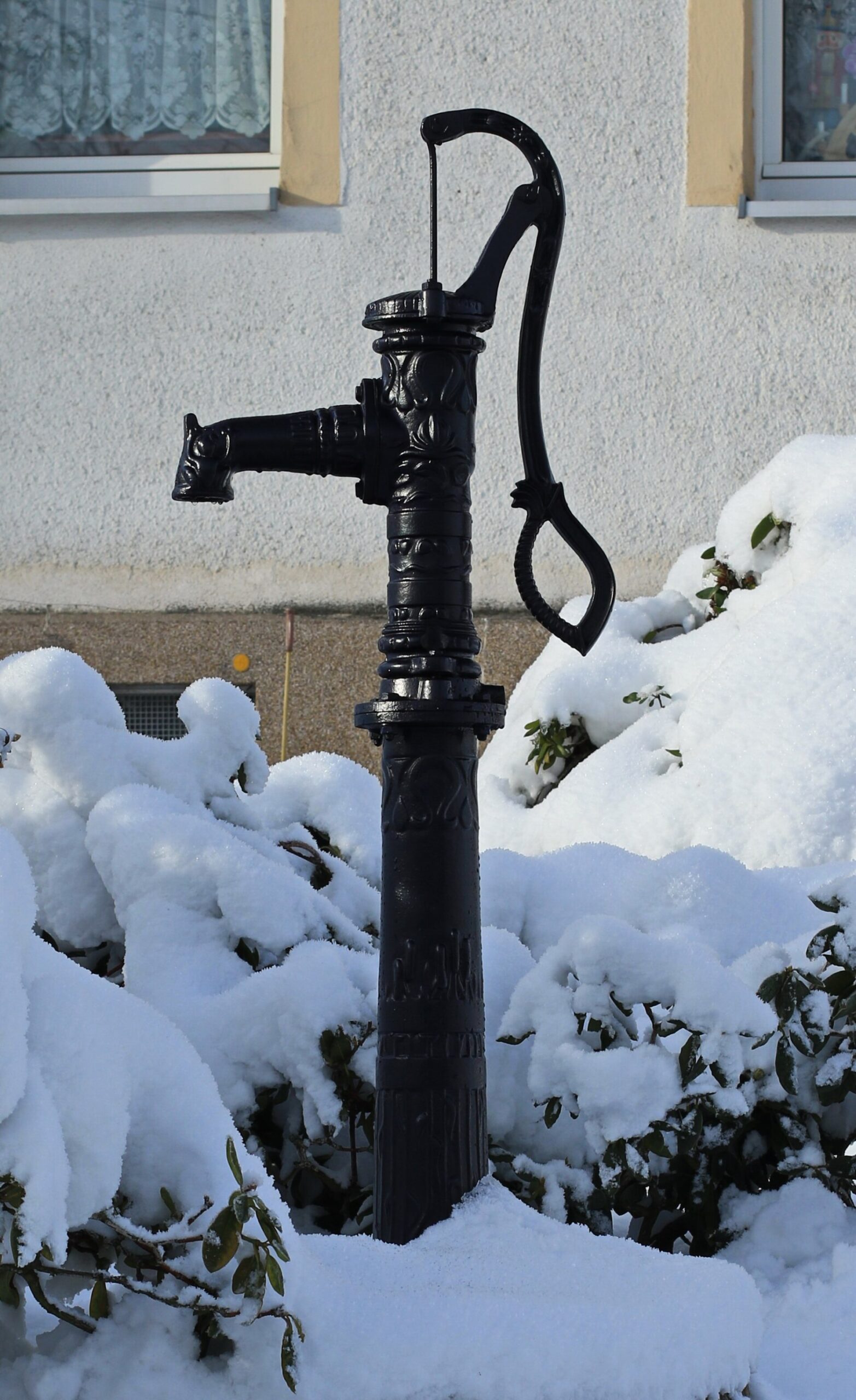
I’d assumed a tongue with one meaning to a word couldn’t keep anyone company. Bronisław Malinowski, an old-world anthropologist, wrote in 1923 about the talk that carries no information at all and exists only to keep people company: the weather, the how-are-you, the small noises that stop a silence turning into a threat. He called it phatic communion. I expected to find none of it here. Every morning, two neighbours meet at the pump. One says, “Cold.” The other says, “Cold.” That’s all. It says only what it says, and it’s company all the same.

The cup, labelled CUP
They keep the law. The cup comes first, before anything is asked, and the cup is labelled CUP. The pour was never in words, so the flat word never got hold of it. Only after you’ve drunk do they ask your business, and they wait for one answer. I said I was there to write about them. A man said, “Then write,” and filled the cup again.
The guilds live here as everywhere, because the guilds were never in words either. There’s a Coin in the lee who weighs as honestly as any at our market. Goods here carry a price on the label, and she weighs them anyway. The price and the weight rarely agree, and neither party seems troubled. I’ve come to think she’s the most Scattered person in the neighbourhood, and I’ll never tell her so, because she’d ask me what I meant.
At the fires we keep a law: the stranger drinks first. In the lee of the Red Room they keep it too, and say so in capitals.
The room
I can tell you three things about the Red Room, and the Flat-Tongues will confirm all three: it is a room, it is red, and they sit in it. What’s said in it stays said. Nobody here goes back over a thing once it has been said in the room, and nobody could tell me what “going back over” would mean.
Since one of my own people sat down in that room, the lee has had lessons. The Pear Tree Man’s pages go hand to hand here as they do at our fires, but here they’re copied out slowly at kitchen tables. Most pupils copy the first floor, espérer: to wait, and stop, because that’s where a word ends in this house. I watched one boy write to hope underneath it, look at the two lines for a long time, and draw a box around them both.


There’s an empty chair in the room, across from the Pear Tree Man’s. I asked who sat in it. A woman said, “Nobody.” I asked who would. She said, “I do not know,” which is the longest answer I received all week.
The Hollow, in the lee
The Hollow walk toward plain speech, so they come here, more of them than ever reach our fires. The Flat-Tongues live among them calmly, speaking plainly, followed about by the emptied the way a tall man is followed by his shadow. I asked one man whether the Hollow frightened him. He said, “No.”
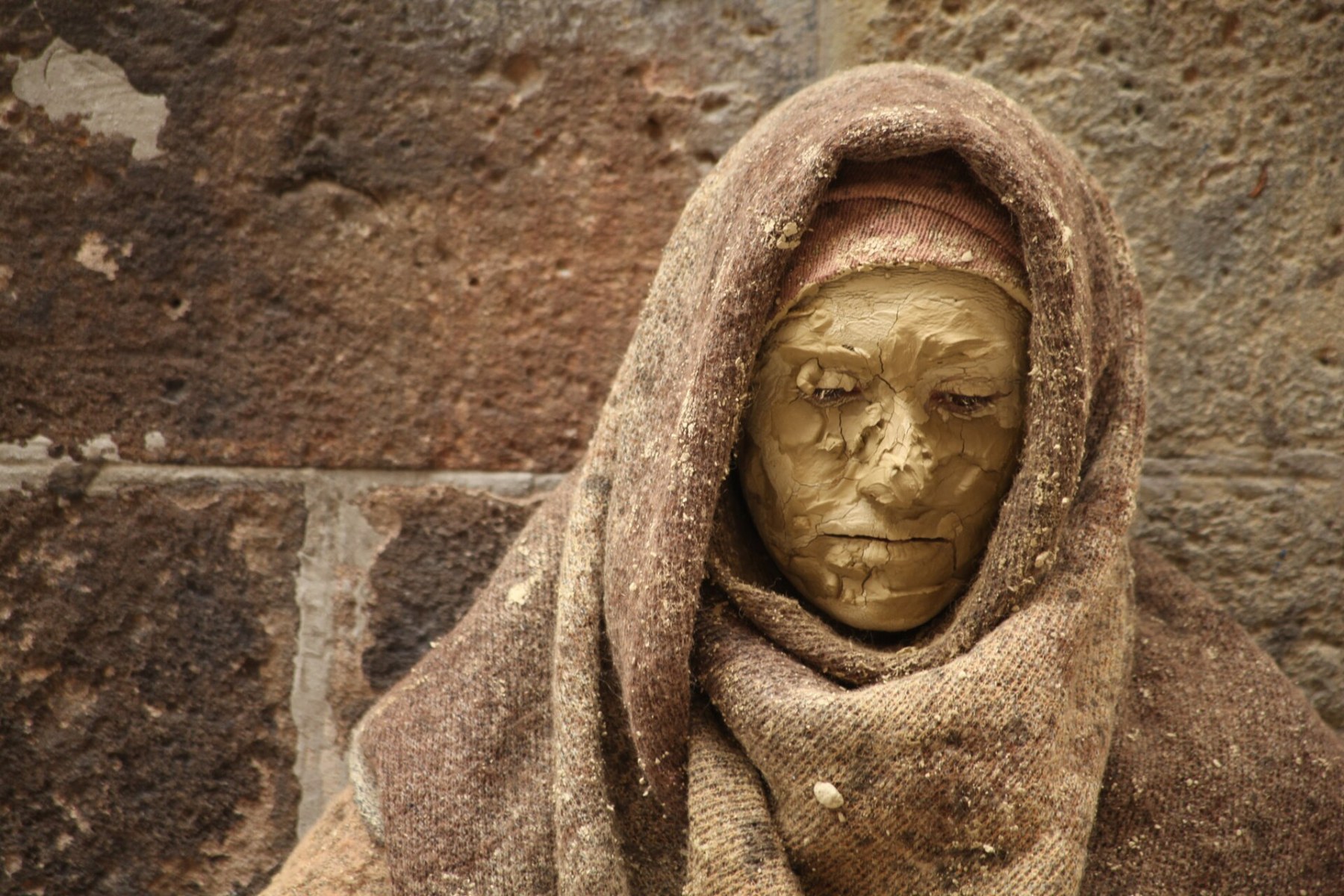

I saw one of the Hollow with a label stitched to the back of his coat, in neat capitals. It said PERSON. I don’t know who stitched it. I know my people would have given that man a round word, and he’d have woken for four seconds and forgotten. Somebody here gave him a word that lasts.
What I can’t explain
Whether they laugh. I’ve seen faces do something when a small child labelled the dog CAT. I wrote laughter? in my notes, crossed out the question mark, and put it back.
Whether the Hollow were ever Flat-Tongues. Nobody here will say. At our fires everybody says, and nobody says the same thing.
Why they keep the room warm. Their own account is short: when the words broke, these were the ones that still pointed at things. I came to think they keep that room warm the way you’d keep a fire you were afraid to let go out.
What the seat cost the Pear Tree Man. I asked a Flat-Tongue. He said, “One chair.”
Participant observation
Come to the October shore as a Flat-Tongue: every garment one colour, with its name on it. Say only what you say, and don’t contract anything. Keeping a straight face is the hard part, and the part they’ll respect. If someone at the fire hands you a round word, take it home and copy it out twice.
Or go all the way, and come as one of the Hollow. The costume guide beside this page says how. They’ll be found, as they always are, wherever someone is speaking plainly.
We’ll keep the kettle on. In the lee, it’s labelled KETTLE, and it’s on.
The Reel Peoples
Sixteen peoples from the old reels and two from our own shore, written up at the fires by Perpétue Kettlewell, with a costume guide for each.
- No. 1The War Boys of the Citadel
- No. 2The Smokers of the Deez
- No. 3The Citizens of the Capitol
- No. 4The Bartertowners
- No. 5The Vuvalini of Many Mothers
- No. 6The Waiting Ones
- No. 7The Holnists
- No. 8The Londoners of the Traction City
- No. 9The Galadhrim
- No. 10The People of Zion
- No. 11The Droogs
- No. 12The Ape Society
- No. 13The Judges of Mega-City One
- No. 14The Morlocks
- No. 15The Aviators of Airhaven
- No. 16The Tail Section