

Three ways to dress for what comes after
Seed keeper
A worn apron, paper envelopes, and a pencil. Write the name of something you want to grow again on an envelope.
Shoreline radio repairer
A work jacket, a notebook, and an old dial sewn to a pocket. Write down the signals you still hope to pick up.
Travelling tea brewer
A warm coat, a scarf, and a dented cup. Decide who always gets the first pour.
Ten minutes at the closet Grab your warmest coat, a pair of boots, and one thing with a story. A cup or a notebook will do.
Trois façons de porter le monde d’après
La gardienne des semences
Un tablier usé, des enveloppes de papier et un crayon. Inscris sur une enveloppe le nom de ce que tu veux faire repousser.
Le réparateur de radios du rivage
Une veste de travail, un carnet et un vieux bouton cousu à la poche. Note les signaux que tu espères encore capter.
La marchande de thé itinérante
Un manteau chaud, un foulard et une tasse cabossée. Raconte à qui tu tends toujours la première tasse.
Dix minutes devant le placard Prends ton manteau le plus chaud, une paire de bottes et un objet qui raconte quelque chose. Une tasse ou un carnet fait l’affaire.
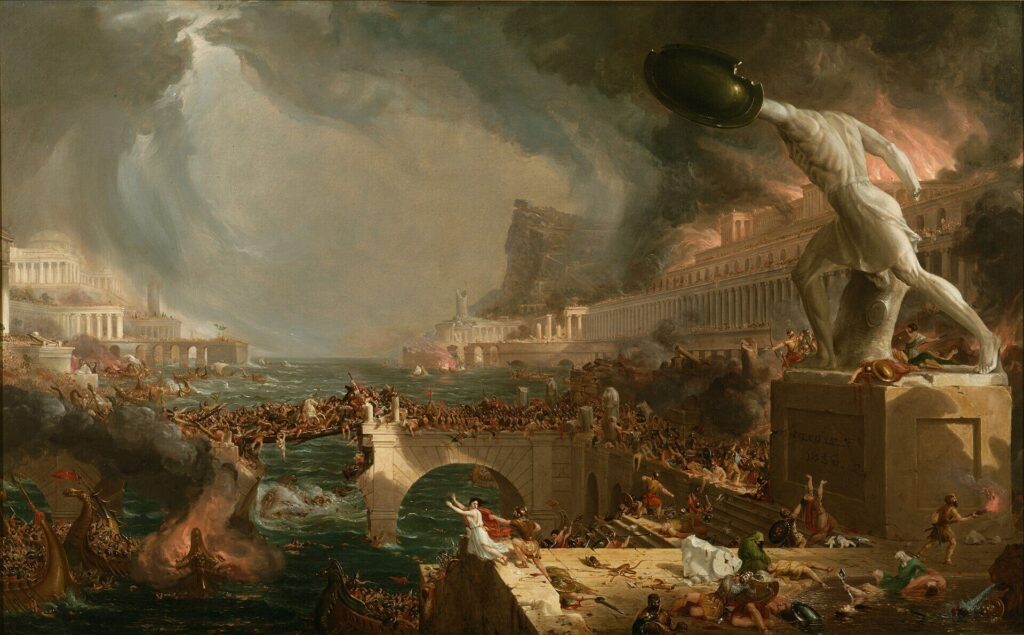
The ash · despair
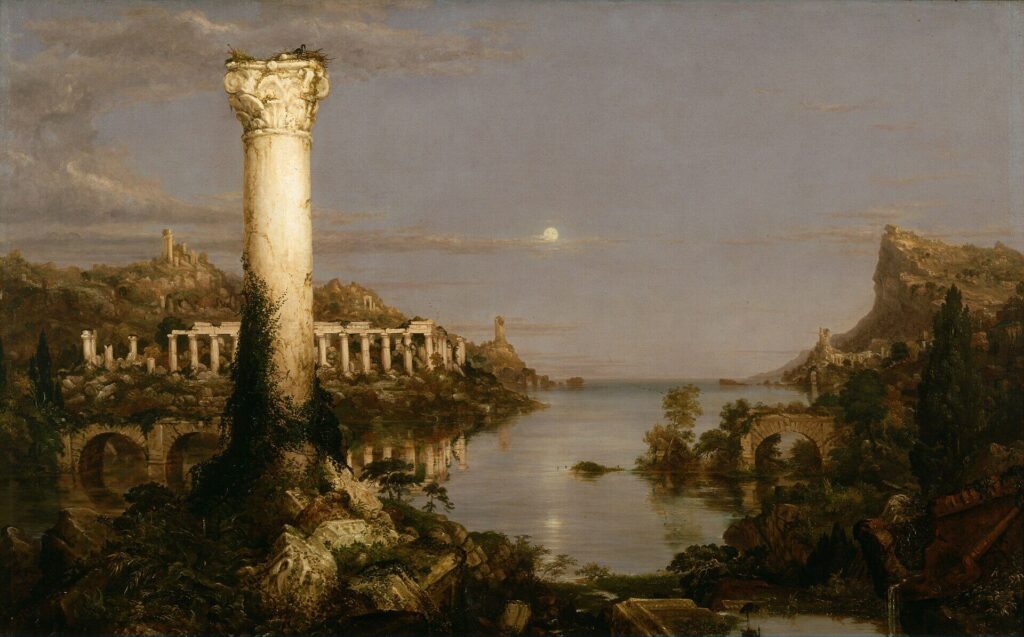
The bone · hope
Start with something worth keeping. A coat. A notebook. A tin cup with somebody’s name scratched into the bottom.
Now imagine it has made it to 2285.
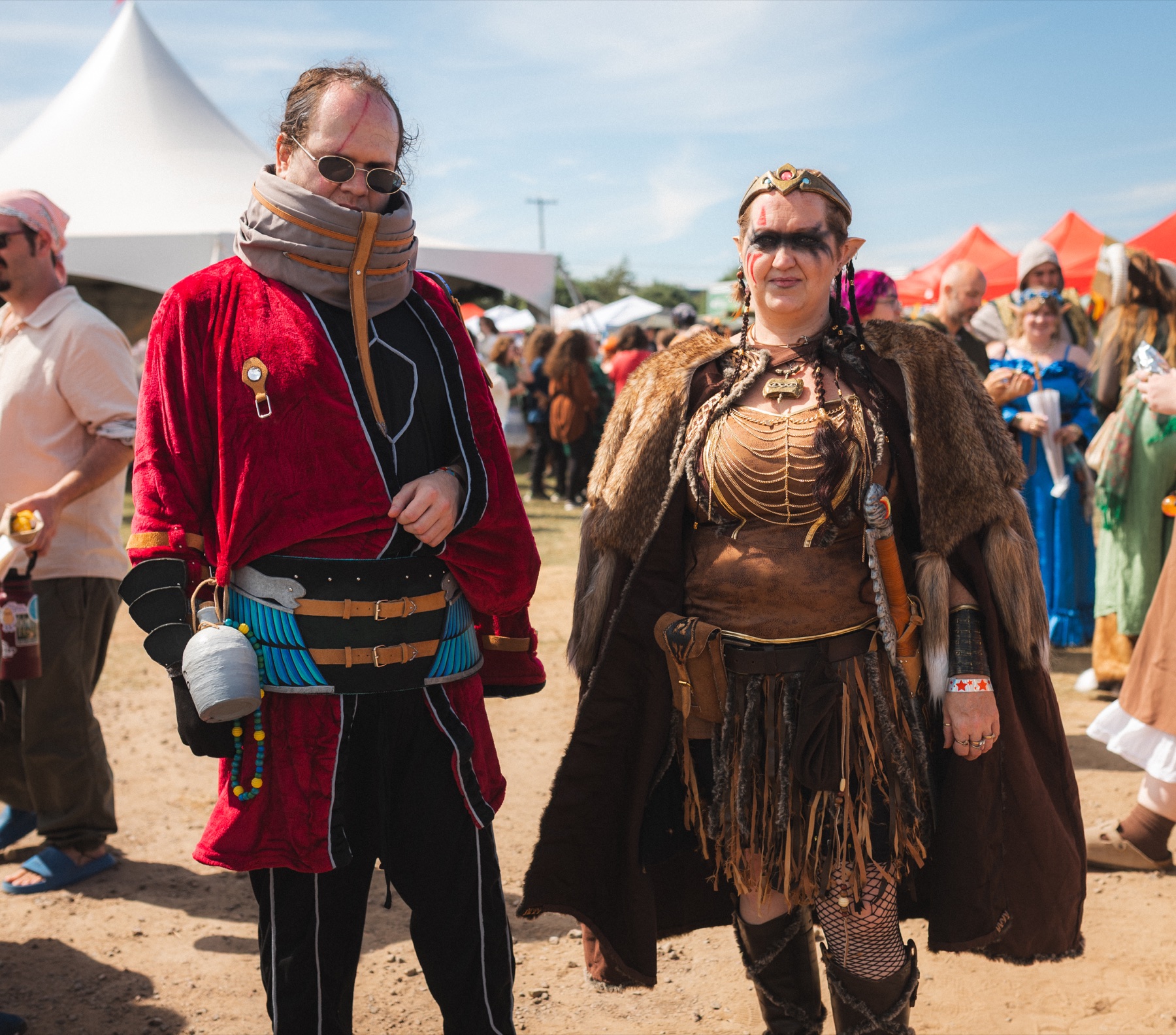
At Afterland in Shediac, October 1st to 3rd, 2027, the world has ended and people have carried on. There’s music, machinery, and a gathering of people with things to make, trade, and tell. Your costume can begin with one of those people.
Bought, borrowed, thrifted, handmade: use what works. You can also come in ordinary clothes. The interesting question is what you’ll bring to the story.
Two sides of the same ending
Every apocalypse has two sides, and Afterland plays both, in that order: despair first, then hope.
The ash
Despair: the world as it ended. Road crews and raiders, warlords with chrome on their teeth, an empire still marching after the reason was gone. These costumes are hard, layered, and loud: leather and rust, goggles and grime, a uniform that outlived its army.
The bone
Hope: the world as it starts again. Wanderers, menders, and quiet heroes with a long walk ahead. These costumes are soft, practical, and travelled: a cloak, a satchel, a tunic you could cross a continent in, a badge that says you’re still keeping a promise.
Afterland has its own on both sides. In the ash, the flat-worded, emptied rather than bitten. In the bone, the tea-keeper, and whoever’s carrying the dune grass to the planting. Stand in the ash, walk out of it, or arrive in the bone and pour the tea. Choose a side and wear it all the way.
What the old screens left us
Before the Unspelling, the screens told both stories. A few of the costumes survived.
The ash · despair
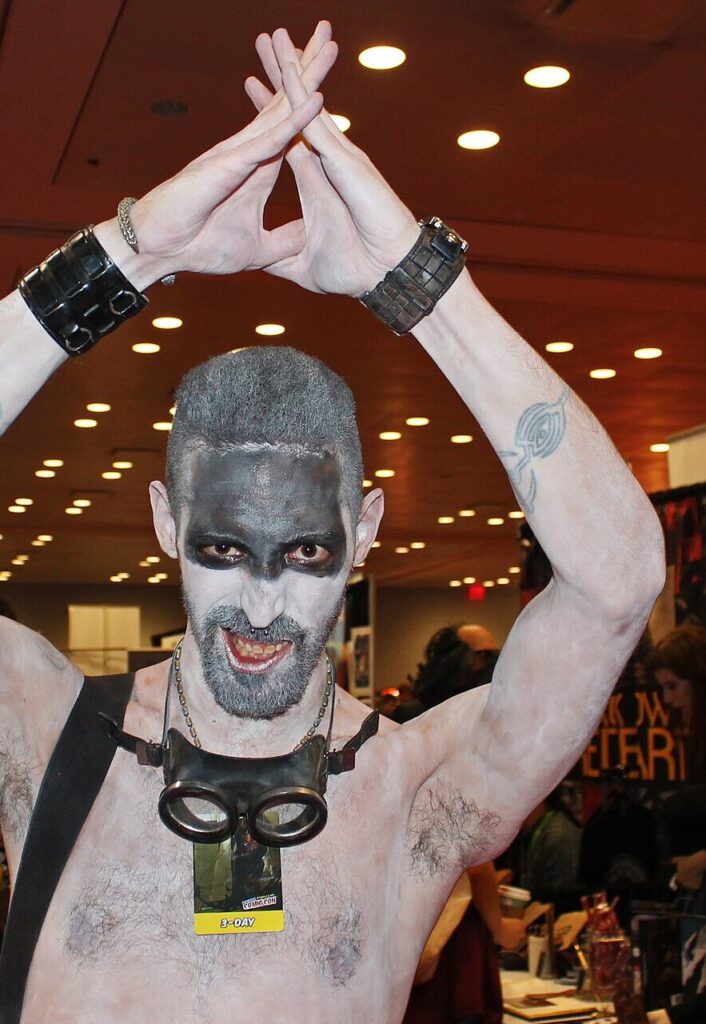
Photo: istolethetv, CC BY 2.0, cropped

War Boy
“Witness me!”
Nux, Mad Max: Fury Road
Chalk-white skin, scars by design, and a steering wheel kept like a relic. Despair with a fan club.
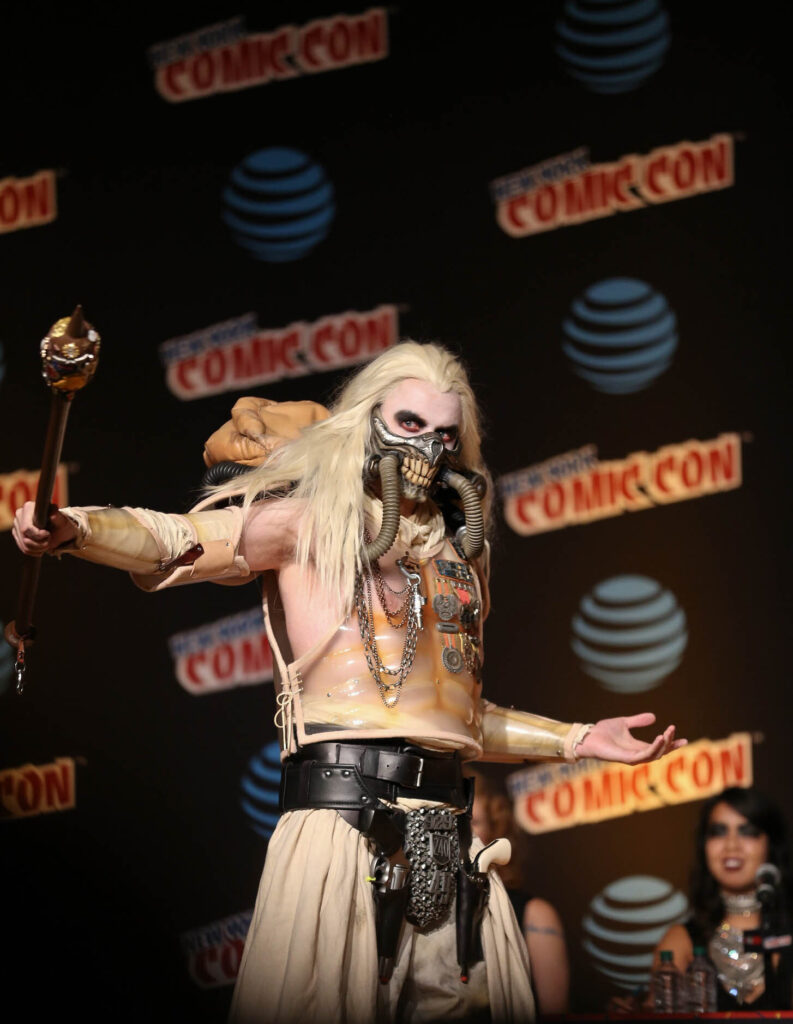

“You will ride eternal, shiny and chrome!”
Immortan Joe, Mad Max: Fury Road
A breathing mask, a chestful of medals, and all the water. Dressed to be worshipped.
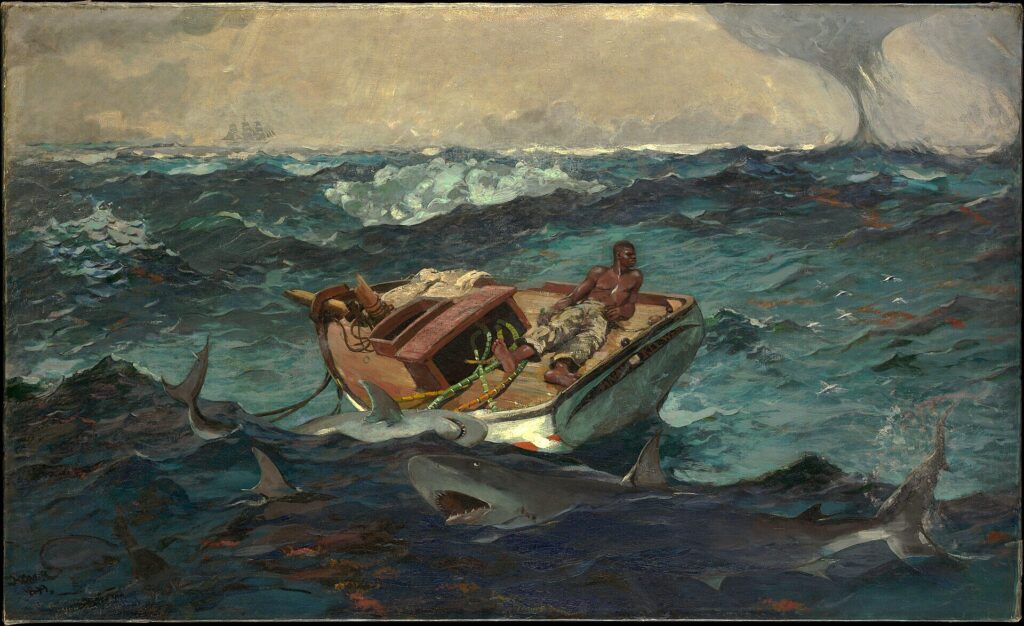
Winslow Homer, The Gulf Stream, 1899. The Met, CC0.
Mariner
“Nothing’s free in Waterworld.”
The Mariner, Waterworld
Salt-stiff layers and a boat built from whatever floated past. Despair at sea, with excellent knots.
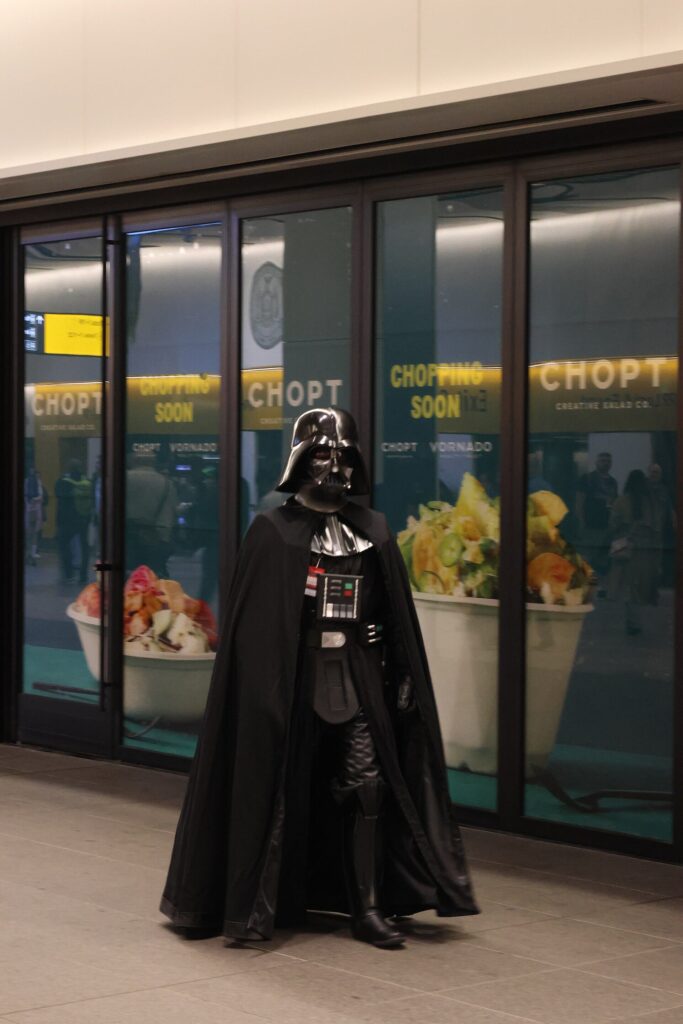
Photo: Bob B. Brown, public domain

Empire
“I find your lack of faith disturbing.”
Darth Vader, Star Wars
Black, polished, and identical. The uniform that kept marching after the reason was gone.
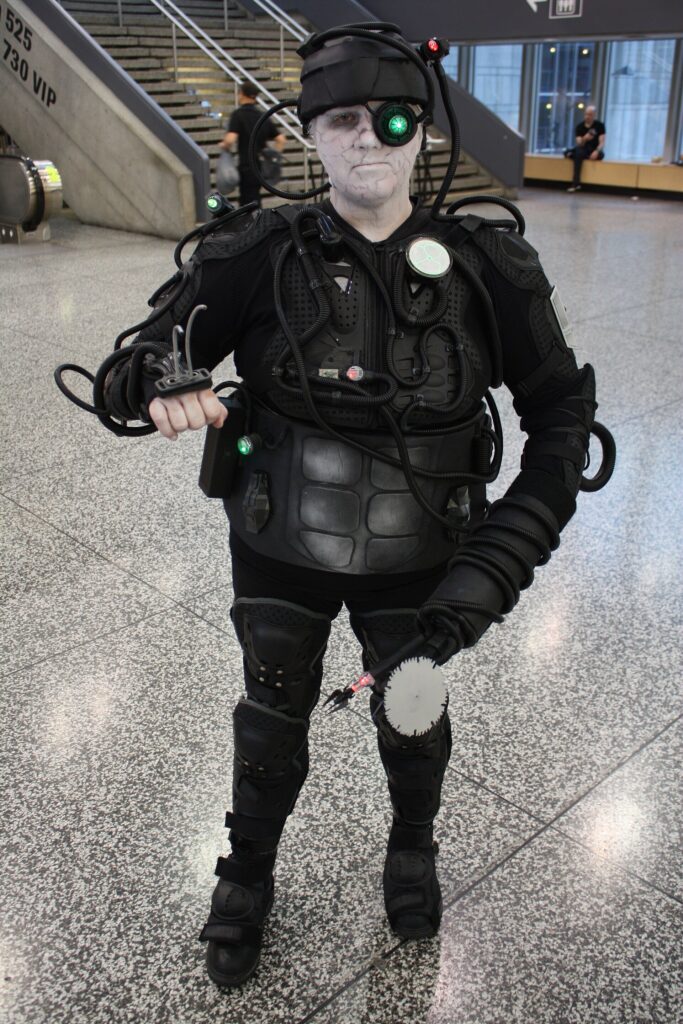
Photo: Pikawil, CC BY-SA 2.0

“Resistance is futile.”
The Borg, Star Trek: The Next Generation
Grey skin, black armour, and a great deal of borrowed hardware. Despair as a committee.
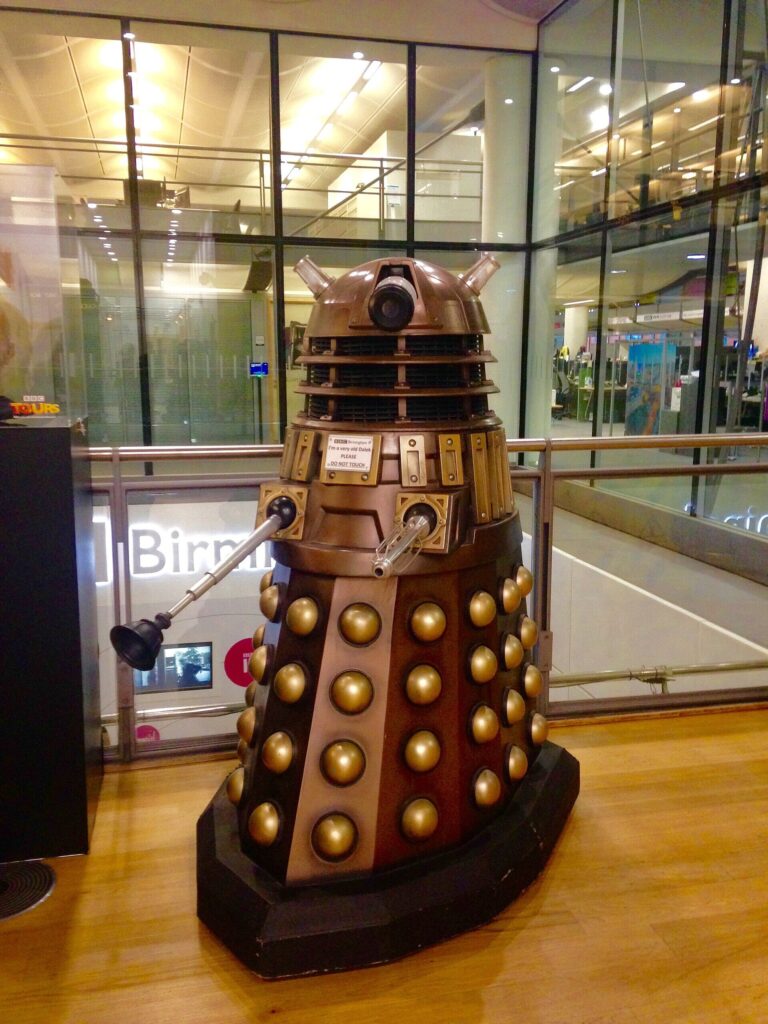
Photo: PerfidiousSnatch, CC0

Dalek
“Exterminate!”
Doctor Who
A pepper pot with a plunger and one word. Despair, at volume.
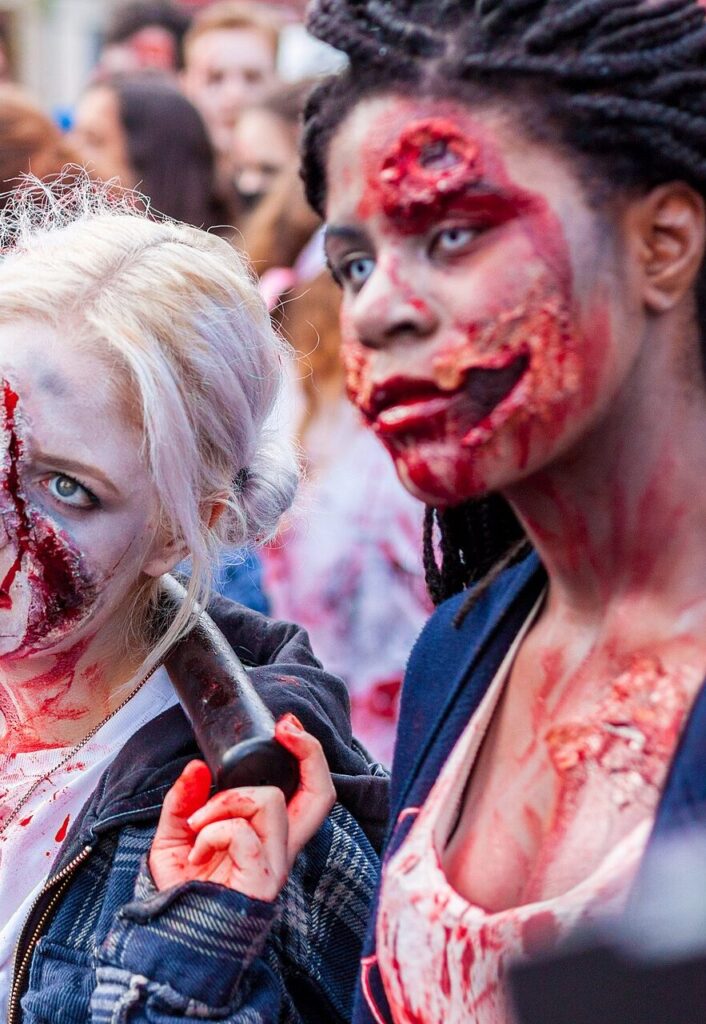
Photo: tangi bertin, CC BY 2.0, cropped

“They’re coming to get you, Barbara.”
Johnny, Night of the Living Dead
Torn clothes, grey skin, and nowhere in particular to be. At Afterland, the flat-worded walk this way.
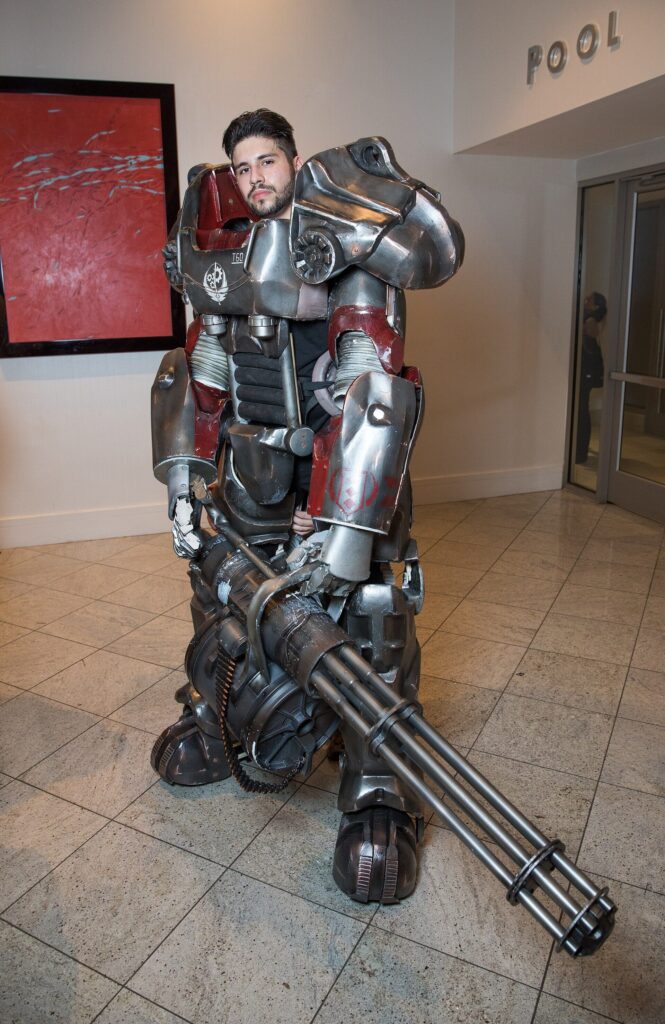
Photo: Terry Robinson, CC BY-SA 2.0

Power armour
“War. War never changes.”
Fallout
Steel plate on steel plate, a lamp on the helmet, and a war that outlived everyone who started it.
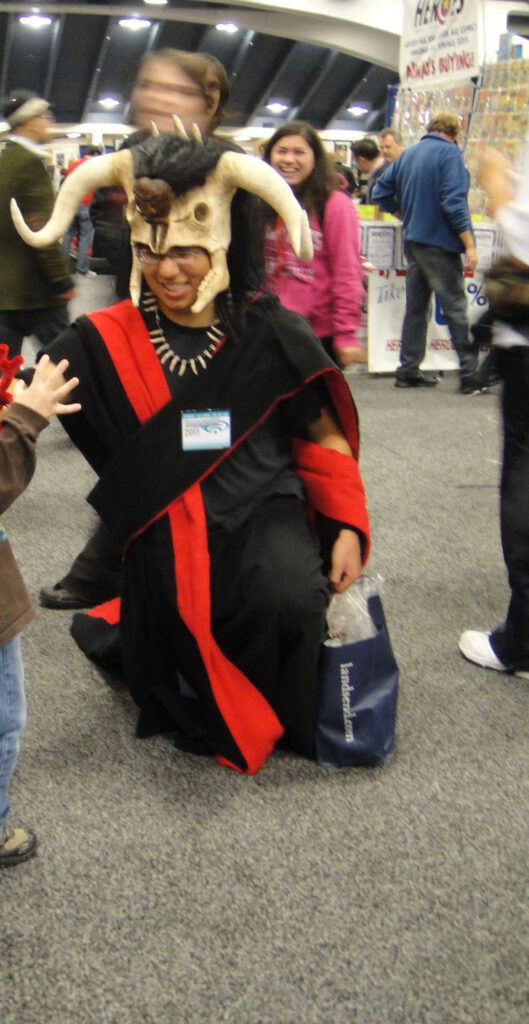
Photo: The Conmunity, CC BY 2.0, cropped

High priest
“Drop them, Dr. Jones. They will be found. You won’t!”
Mola Ram, Indiana Jones and the Temple of Doom
A horned headdress, a red sash, and a flair for ceremony at the edge of a pit. Despair as high theatre.
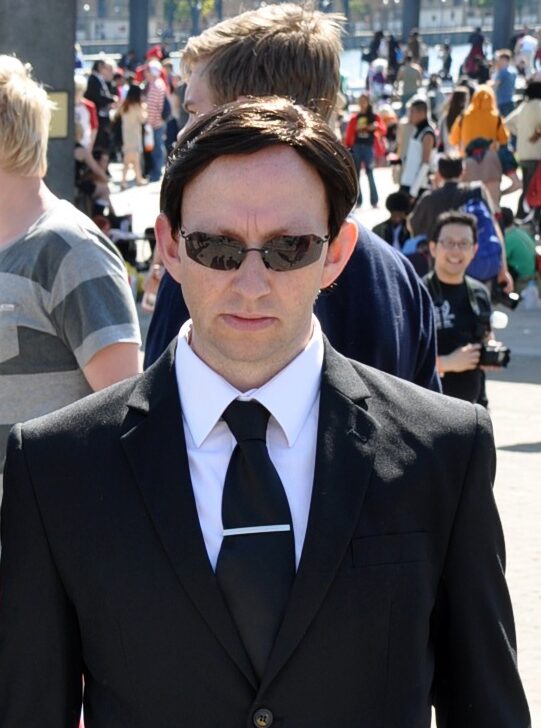
Photo: Roger Murmann, CC BY 2.0, cropped

Agent
“Never send a human to do a machine’s job.”
Agent Smith, The Matrix
A dark suit, an earpiece, and sunglasses indoors. The machine that wears a tie.
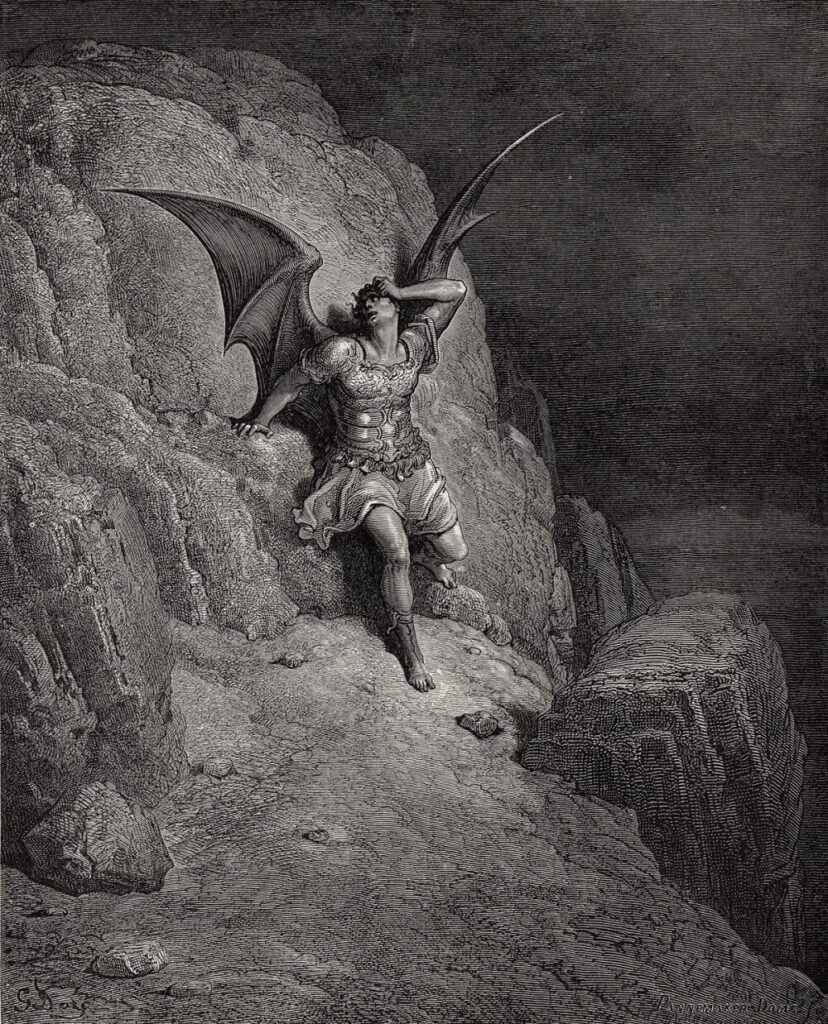
Gustave Doré, Satan’s Despair, for Paradise Lost, 1866. Public domain.
Fallen angel
“Better to reign in Hell, than serve in Heav’n.”
Satan, John Milton, Paradise Lost (1667)
Scorched wings, a crown that no longer fits, and a pride that outlasted the fall.
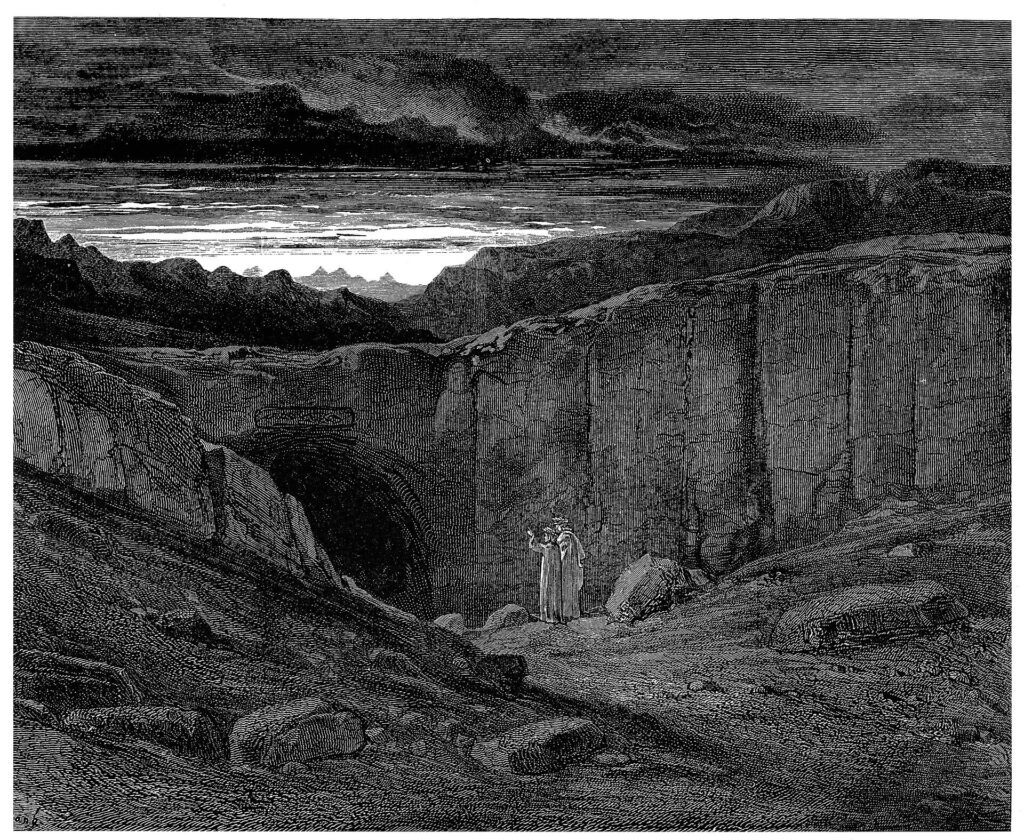
Gustave Doré, Inferno, Canto III, 1861. Public domain.
Lost soul
“All hope abandon ye who enter here.”
Dante, Inferno, Canto III (trans. Henry Francis Cary, 1814)
Grey rags, ash in the hair, and a long queue at a very old gate. Despair at its most literary.
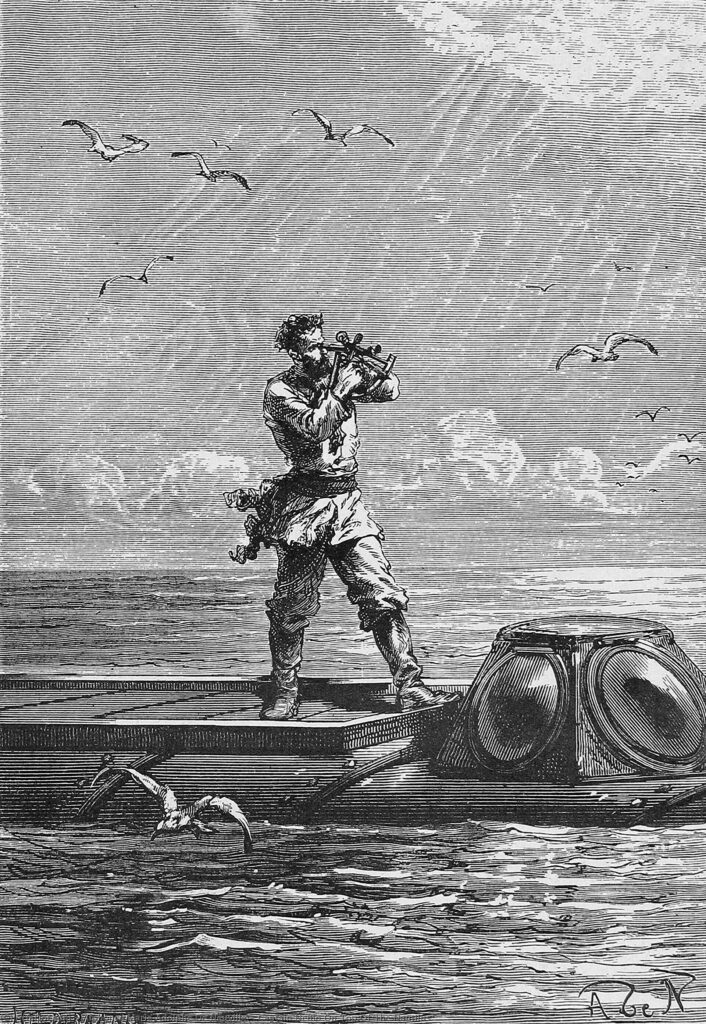
Alphonse de Neuville, for Twenty Thousand Leagues Under the Seas, 1870. CC0.
Captain Nemo
“I am the law, and I am the judge! I am the oppressed, and there is the oppressor!”
Captain Nemo, Jules Verne, Twenty Thousand Leagues Under the Seas (1870)
A captain’s coat, a sextant, and a submarine instead of a country. Verne’s own despair: brilliant, wronged, and finished with the world above.
The bone · hope
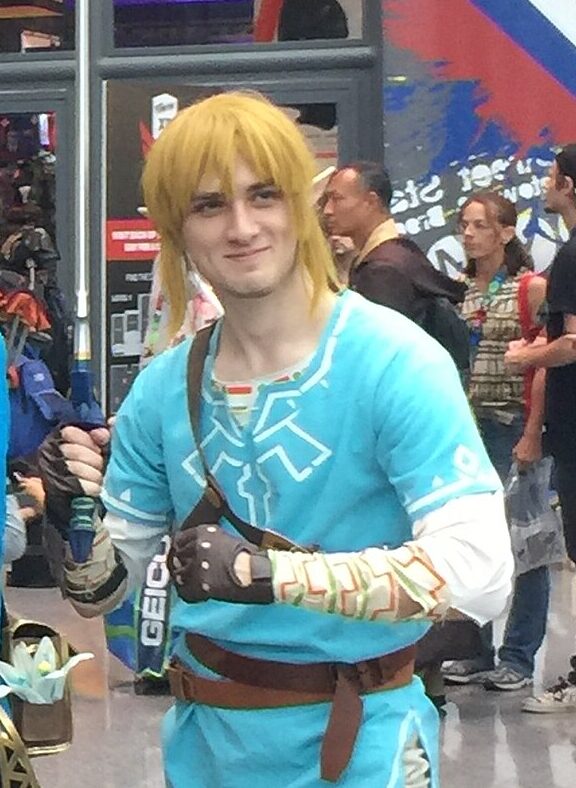
Photo: LostplanetKD73, CC BY-SA 4.0, cropped

Hero of the wild
“It’s dangerous to go alone! Take this.”
The Legend of Zelda
A blue tunic, a climbing kit, and a ruined kingdom to put back together, one step at a time.
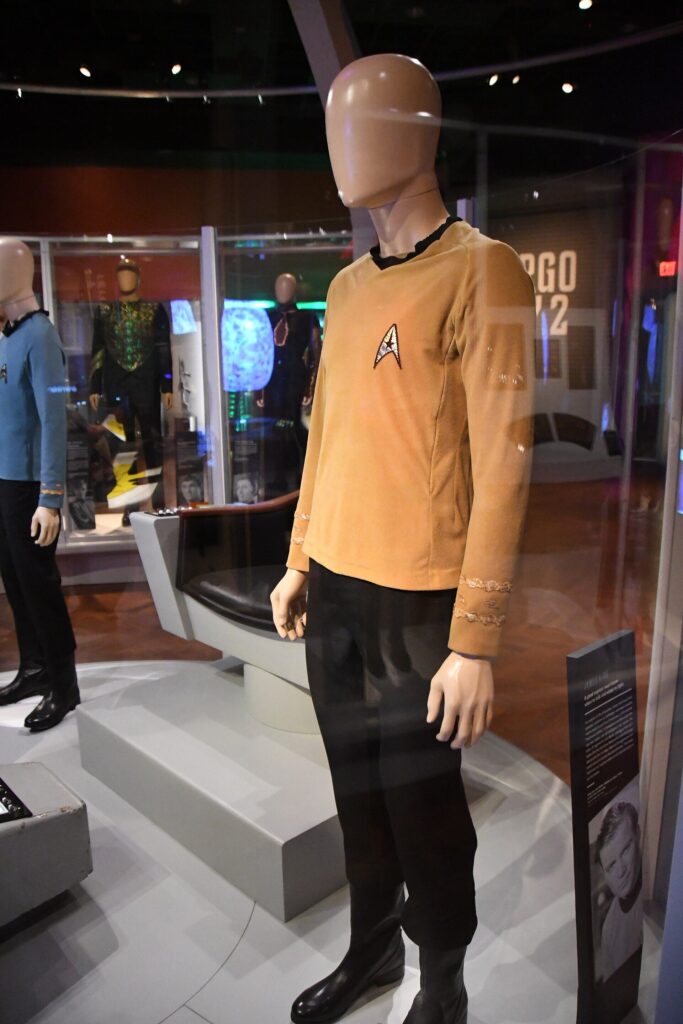
Photo: Joe Ross, CC BY-SA 2.0, Henry Ford Museum

Captain
“To boldly go where no man has gone before.”
Star Trek
A gold shirt, a five-year mission, and a habit of talking to strangers.
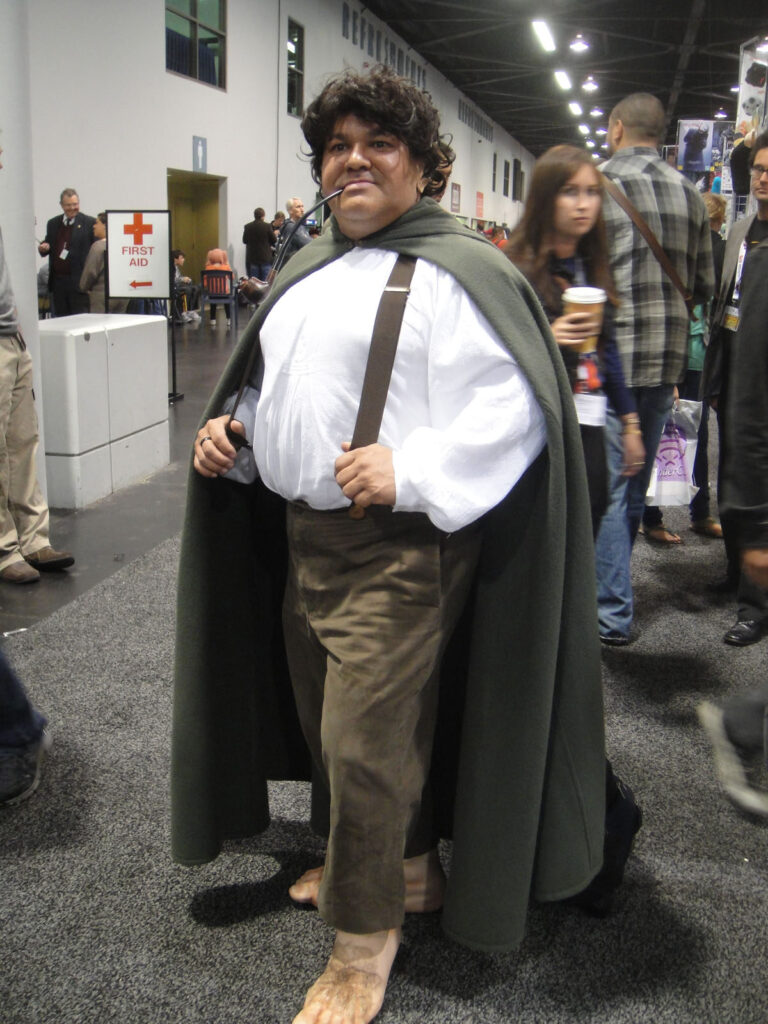
Photo: The Conmunity, CC BY 2.0

Ring-bearer
“There’s some good in this world, Mr. Frodo, and it’s worth fighting for.”
Samwise, The Lord of the Rings: The Two Towers
Bare feet, a waistcoat, a cloak, and a burden carried anyway.
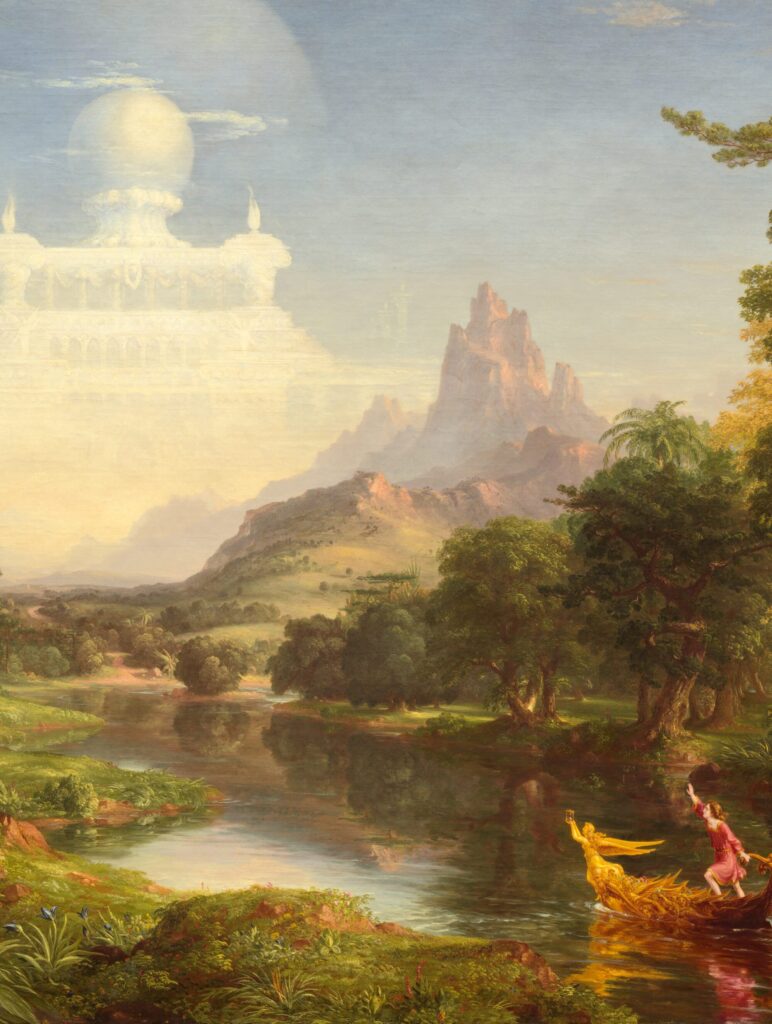
Thomas Cole, The Voyage of Life: Youth, 1842, detail. National Gallery of Art, public domain.
Young warrior
“Never give up and good luck will find you.”
Falkor, The NeverEnding Story
A long road, a world coming apart behind him, and he keeps going.
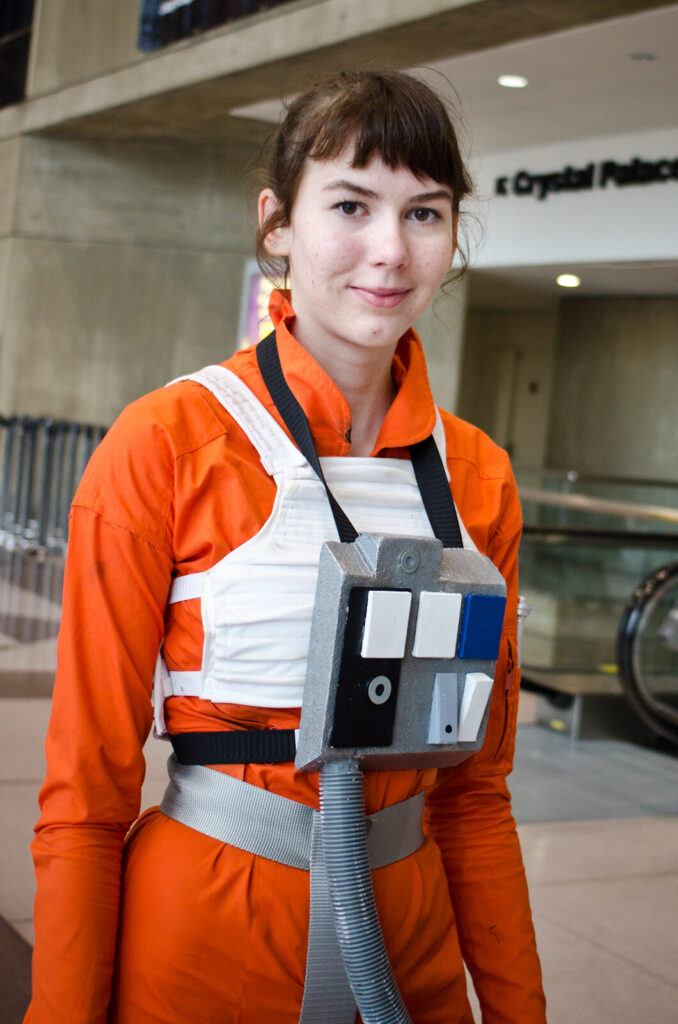
Photo: Marnie Joyce, CC BY 2.0

Rebel
“Help me, Obi-Wan Kenobi. You’re my only hope.”
Princess Leia, Star Wars
An orange flight suit, a borrowed helmet, and a long shot taken anyway.
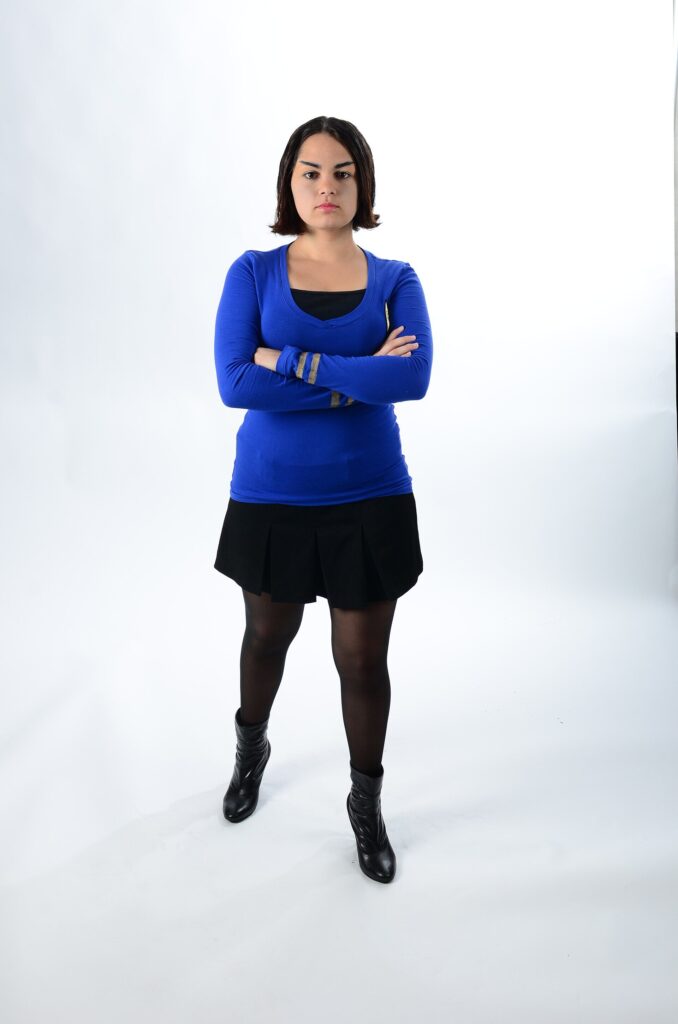
Photo: Super Festivals, CC BY 2.0

Science officer
“Live long and prosper.”
Spock, Star Trek
A blue tunic, a raised eyebrow, and a greeting that wishes the stranger well.
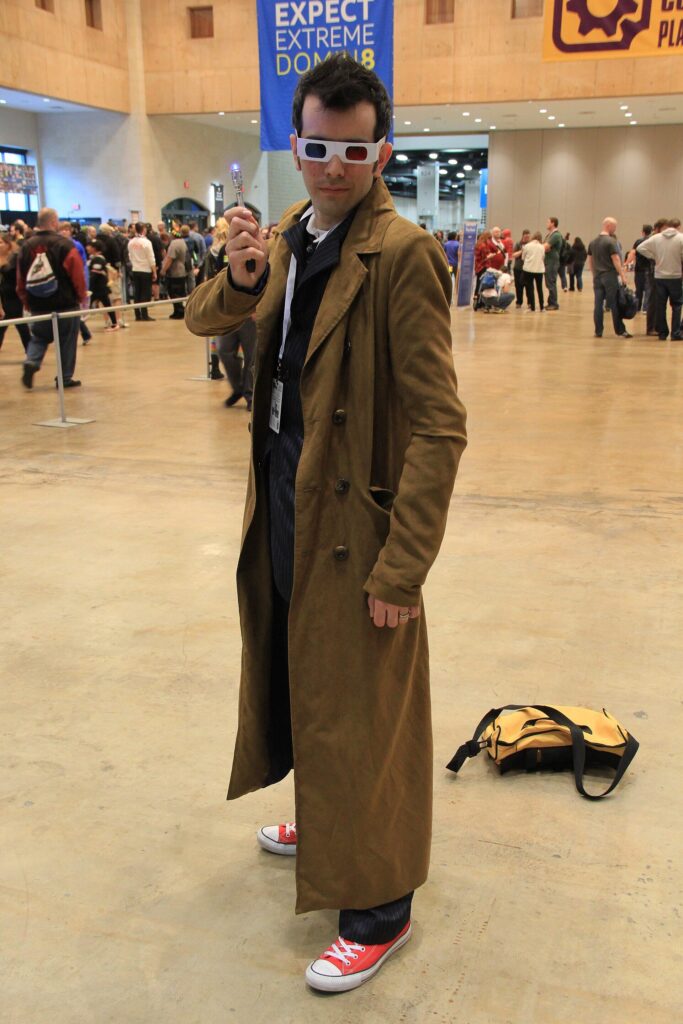
Photo: Daniel Benavides, CC BY 2.0

Traveller in time
“Never cruel or cowardly. Never give up, never give in.”
Doctor Who, “The Day of the Doctor”
A long coat, a screwdriver that isn’t for screws, and a habit of turning up just in time.
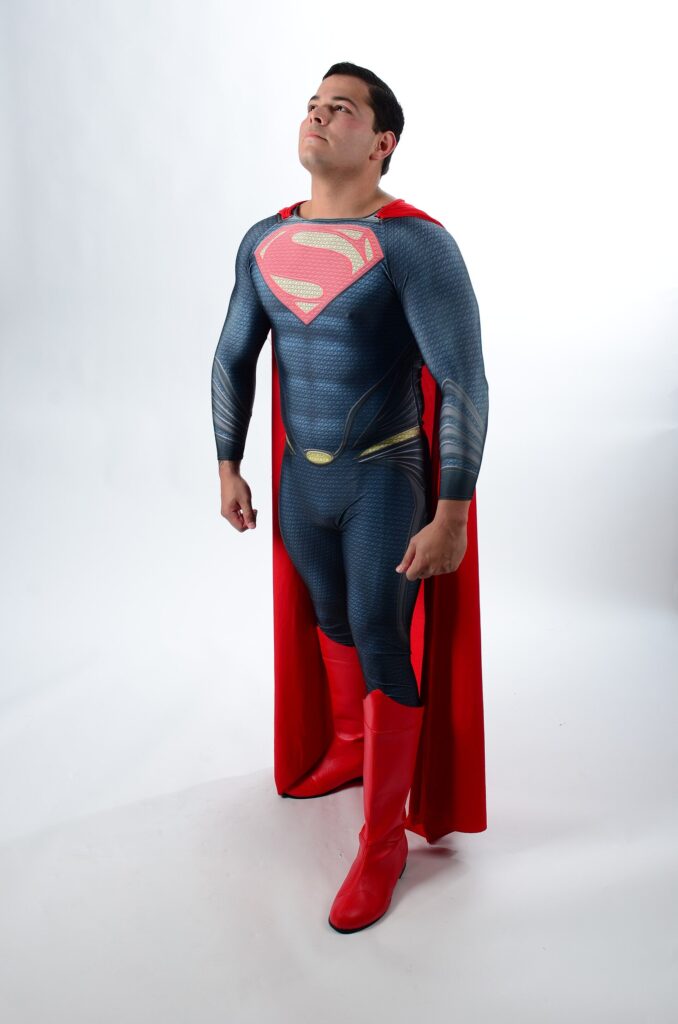
Photo: Super Festivals, CC BY 2.0

Caped hero
“It’s not an S. On my world it means hope.”
Superman, Man of Steel
A cape, a crest, and a promise to catch whoever’s falling. Hope, in primary colours.
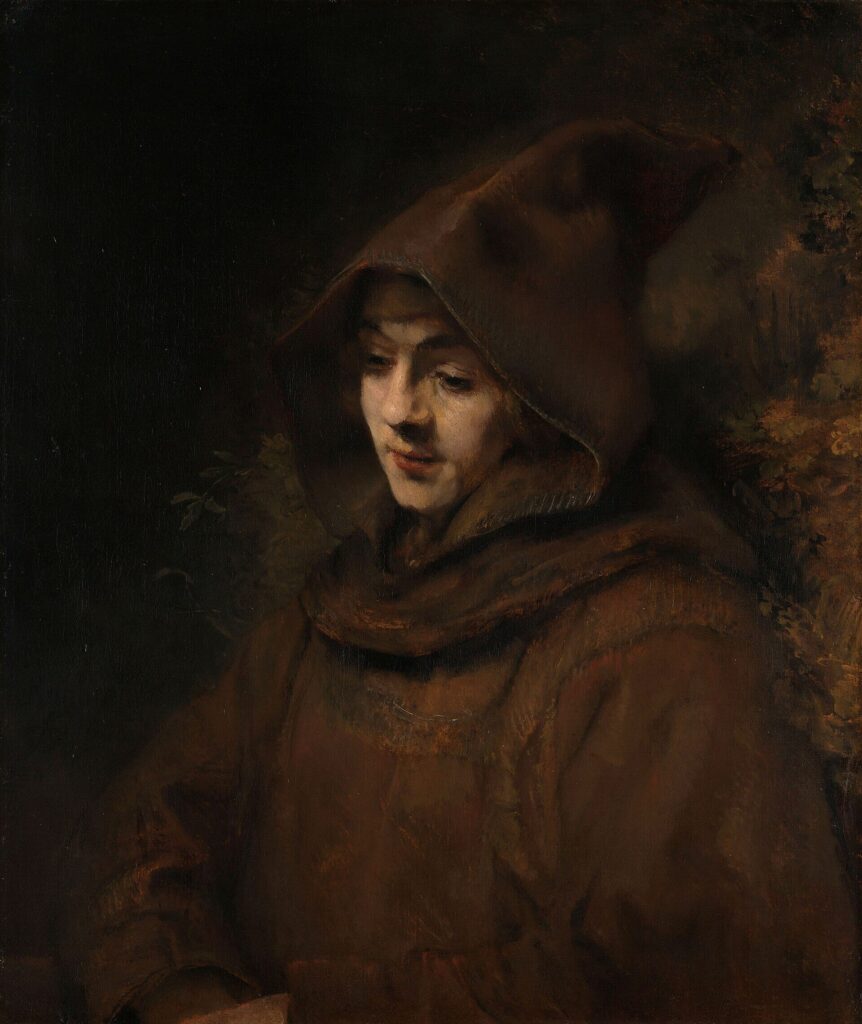
Rembrandt, Titus in a Monk’s Habit, 1660. Rijksmuseum, public domain. The painter dressed his own son as a monk.
Monk of a new order
“Ora et labora.”
Pray and work, the old Benedictine motto
A plain habit, ink on the fingers, and a library to copy before it’s lost. The new orders keep what the old world forgot.
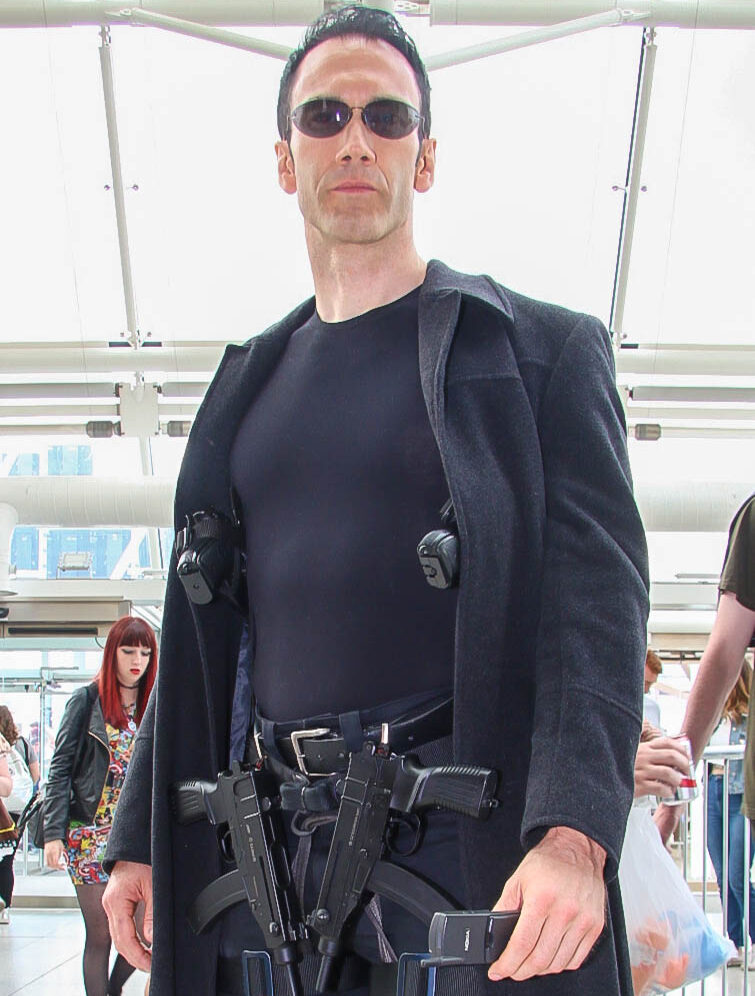
Photo: Altan Dilan, CC BY 2.0

The One
“A world where anything is possible.”
Neo, The Matrix
A long black coat, small dark glasses, and the sudden suspicion that the rules are optional.
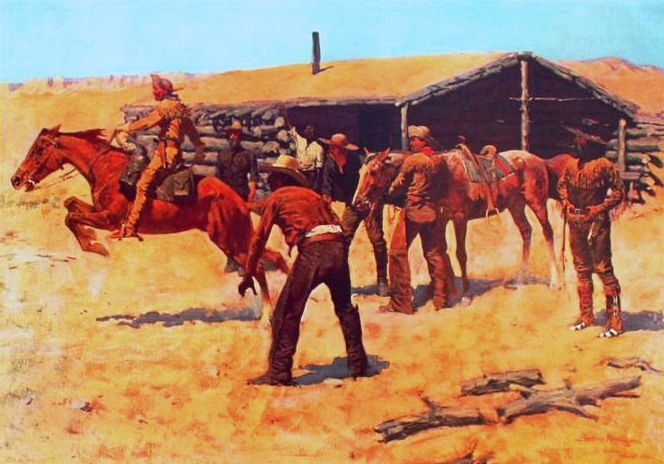
Frederic Remington, The Coming and Going of the Pony Express, 1900. Public domain.
Postman
“Neither snow nor rain nor heat nor gloom of night stays these couriers…”
The couriers’ creed after Herodotus, carried by The Postman
A mailbag, a borrowed uniform, and letters for towns that had stopped expecting any. Hope, delivered.
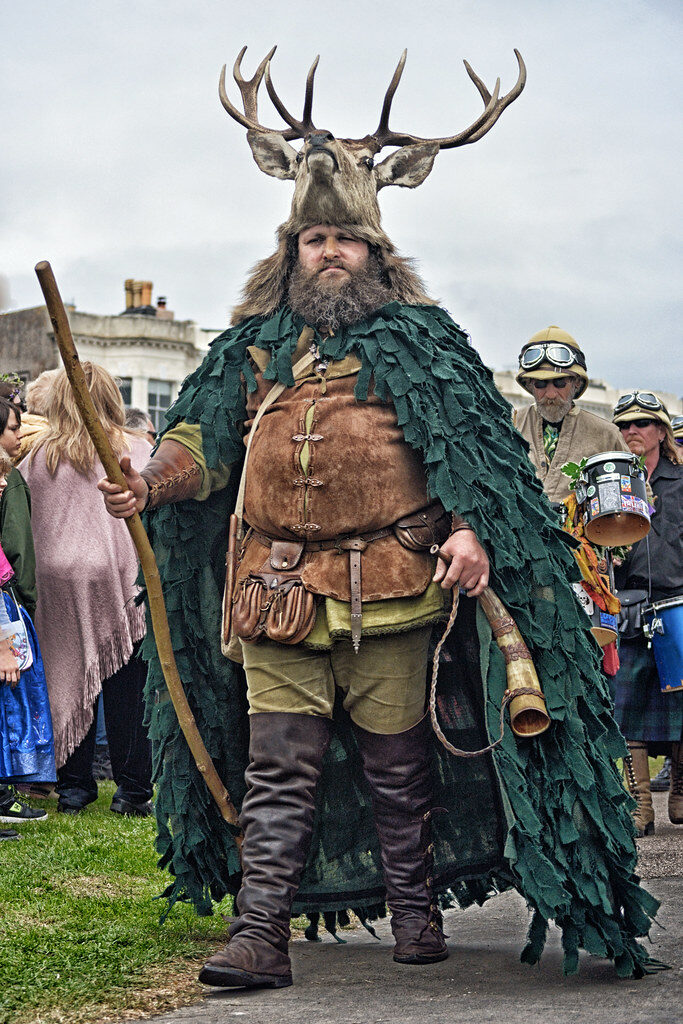
Photo: vic_burton, CC BY-SA 2.0. Jack in the Green, Hastings.
Wild child
“Some stories start at the beginning. Our story begins here.”
The Narrator, Sweet Tooth
Antlers, a coat of green, and a stubborn belief that the world is still kind somewhere. Hope, grown back wild.
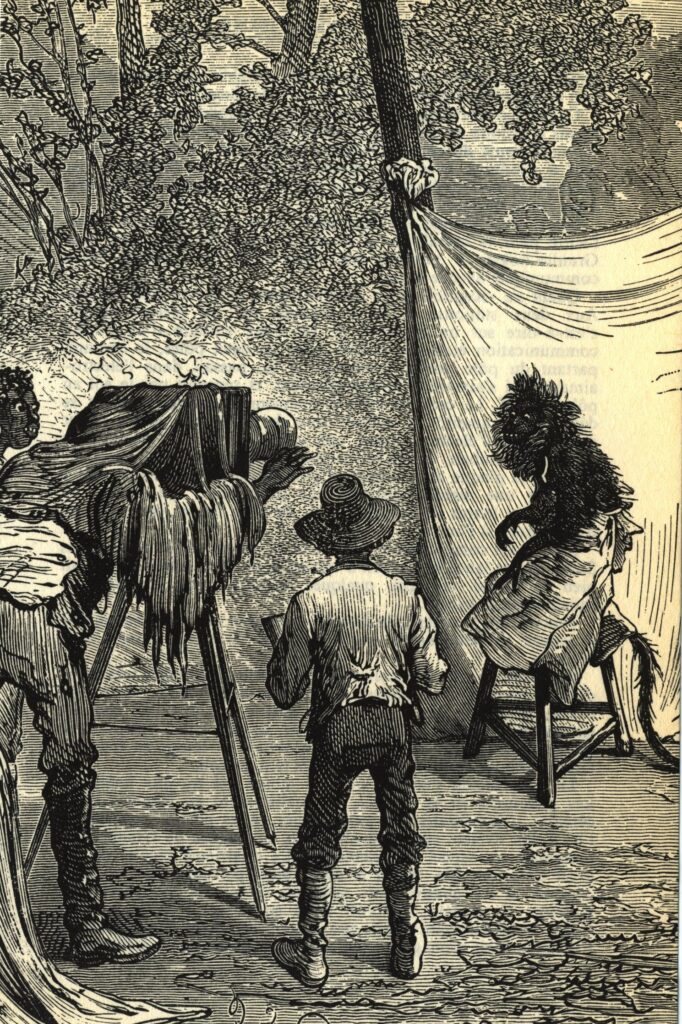
Jules Férat, for The Mysterious Island, 1875. Public domain.
The castaways
“There is work for everybody.”
Pencroft, Jules Verne, The Mysterious Island (1875)
Five castaways, one match, and nothing else, who build a whole world back from it. Verne’s own hope: the end of everything, treated as a very long to-do list.
The film, television, and game characters belong to their studios and publishers. The photographs show fans in costume and are credited under each picture. The paintings and engravings are in the public domain.
Give your survivor a job
You don’t need a page of backstory. Choose what your character does, then let a few details suggest it.
| Character | Start with | One detail that tells the story |
|---|---|---|
| The mechanic | Coveralls or work trousers, a shirt, a utility vest | A notebook full of diagrams for a machine nobody else can repair |
| The shore survivor | A weathered-looking coat, boots, sea-grey or faded blue layers | A cloth map with a coastline you’ve drawn yourself |
| The archivist | A long coat, a shoulder bag, a scarf | A bundle of copied pages, carefully wrapped against the weather |
| The tea-keeper | Warm layers, a coat with pockets, a small bag | A tin cup carried as though it matters more than the rest |
At Afterland, the stranger drinks first. The tea-keeper has understood something useful about surviving.
You can make all four characters from much the same clothes. The object changes the story. So does the way you carry it.
Want a place in Afterland’s world? Its four guilds are Cups, Swords, Coins, and Staves. Guests can dress as guild members and wear a guild mark. Choose a suit and work it into a patch, a painted emblem, or the cover of your notebook.
Build the costume around October
Warmth is part of the design. Begin with a comfortable base layer, add a sweater or flannel shirt, then a vest or coat. Keep a weatherproof layer available. Choose boots you can walk in on wet grass and sand.
A scarf, hood, or hat changes the outline and earns its place after dark. Make layers removable so you can adjust through the day. Keep hems, straps, and loose ends clear of your feet.
Then give the pockets a job: ticket, phone, a pair of gloves. The future has not improved the pleasure of looking for something in the bottom of a bag.
Make the repairs visible
A patch tells you someone wanted the coat to last. Two different buttons suggest a repair made with what was available. A replaced pocket can be more convincing than a whole outfit covered in dirt.
Try a few small changes:
- Add a patch. Use scrap fabric and visible stitches on an outer garment. A contrasting colour makes the repair part of the character.
- Change one fastening. Different buttons or a fabric tie suggest that the original didn’t survive. Keep anything you rely on to close the garment secure.
- Mark the edges lightly. Textile paint, used according to its directions, can suggest wear at cuffs and hems. Test a scrap first and let it dry fully before wearing.
- Give an object a history. Make a paper label, draw a map, or fill a cheap notebook with sketches. A name inside a coat can do more than another shoulder plate.
Work on something you’re happy to alter. Keep the warm, dry layers beneath it in good condition. You only need to look as though you’ve had a difficult century.
Props should suggest a past, not perform a job
An LED lantern, a lightweight foam shoulder piece, or a bundle of invented documents can carry the idea without real scrap metal or working tools.
Afterland’s entrance inspection is called the Salvage Check. Check the current prop and costume policies before building around an object. The guild makes the final call at the entrance; a prop isn’t automatically accepted because it appears in a costume guide.
Leave functional weapons, sharp salvage, fuel, and pyrotechnics out of the build. Keep your view clear if you wear a mask or goggles. An ordinary scarf and a marked-up coat can tell the same story as a complicated headpiece, with much less to carry.
First Fire: bring the person inside the costume
First Fire at Parlee Beach on Friday, October 1st, is included with every Afterland ticket. It’s the beginning of the weekend: fires, tea, and people meeting on the shore.
Bring a warm layer and something comfortable to sit on. Secure loose scarves and fringe, and leave space around the managed fires. Save the largest costume pieces for the grounds if they’re going to get between you and a comfortable evening.
For the rest of the weekend, let the clothes work. Walk in them before leaving home. Sit down. Reach for your ticket. Decide what you can happily carry for several hours, then leave the rest behind.
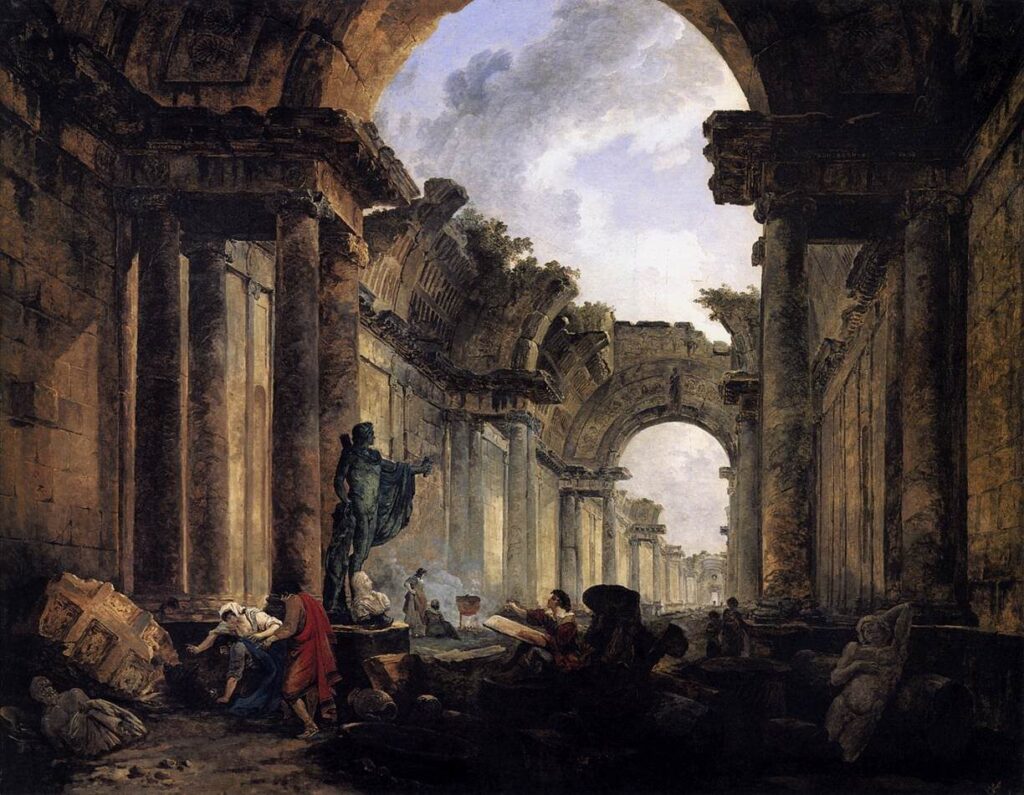
The best apocalypse is the one you invent
You don’t need a film to borrow from. The costumes people remember at Afterland are rarely copies. They’re answers to questions nobody else thought to ask. What ended your world? A flood, a frost, a very bad software update? What did you save, and what did it cost? Who taught you to fix things, and who did you lose along the way?
Start from the answer and build outward. A lighthouse keeper whose light still works. A wedding guest who never made it home. A librarian who trades in pages. A courier still delivering letters to addresses that aren’t there anymore. None of them exists until you arrive.
Borrow from the old screens if you like; we’re very fond of a good War Boy. But an apocalypse you invented is one nobody else can wear, and at the fires it makes the better story.
Take it onto the grounds
The costume parade crosses Afterland at 18:00 on Saturday and Sunday, with prizes and a photo wall. Costume and salvage makers trade in the market, too. Leave space in the bag for a piece you didn’t know your character needed.
Choose your day or weekend, check the current programme, and bring the person you’ve built. When someone asks about your costume, you don’t need to explain the whole world.
Tell them why you kept the cup.
Pictures. Paintings by Thomas Cole, Winslow Homer, and Hubert Robert, all public domain. Photographs of fans in costume from Wikimedia Commons, under the licences named beside each one. The characters belong to their studios and publishers.